What Is Obstructive Sleep Apnea (OSA) and How Does It Affect Your Daily Life?
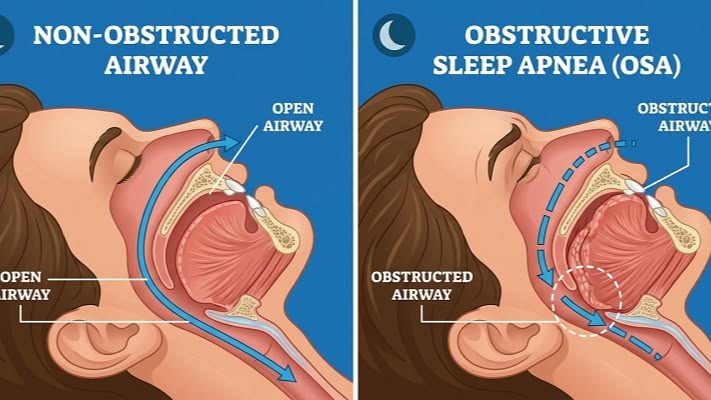
Obstructive Sleep Apnea (OSA) is one of the most common yet often undiagnosed sleep disorders affecting millions of people worldwide. Many individuals experience loud snoring, choking during sleep, or constant daytime tiredness without realizing that these could be warning signs of a serious medical condition. OSA occurs when the upper airway becomes blocked repeatedly during sleep, which leads to interruptions in breathing. These pauses, known as apneas, may last from a few seconds to over a minute and can happen many times throughout the night.
Even though OSA occurs while you are asleep, its effects continue throughout the day by impacting your physical health, mental well-being, productivity, and overall quality of life. Early awareness and timely treatment can significantly improve your health and daily functioning.
Understanding Obstructive Sleep Apnea (OSA)
How Does OSA Occur?
During sleep, the muscles in your throat naturally relax. In individuals with OSA, these muscles relax more than usual, which causes the airway to narrow or collapse completely. This blockage prevents air from reaching the lungs and reduces oxygen levels in the body. When the brain senses this drop in oxygen, it briefly wakes you up to reopen the airway. These interruptions disturb your natural sleep cycle and prevent you from reaching deep, restorative sleep stages, even though you may not remember waking up.
Common Signs and Symptoms
The symptoms of obstructive sleep apnea can vary, but they often include loud snoring and sudden gasping or choking sounds during sleep. Many people wake up with a dry mouth or headache and feel extremely tired even after a full night of sleep. Daytime sleepiness, irritability, mood swings, and difficulty concentrating are also commonly experienced. Over time, these symptoms can affect work performance, relationships, and overall mental health.
What Causes Obstructive Sleep Apnea?
Several factors can increase the risk of developing OSA. Excess body weight, especially around the neck area, can put pressure on the airway and make breathing difficult during sleep. Family history also plays a role, as genetics can influence the structure of the airway. Enlarged tonsils or adenoids can block airflow, particularly in children, but may also affect adults. Lifestyle habits such as smoking and alcohol consumption can relax throat muscles and increase inflammation, worsening the condition. Chronic nasal congestion can restrict airflow, and age as well as gender also contribute, with men and older adults being at higher risk, although women can also develop OSA, especially after menopause.
How Obstructive Sleep Apnea Affects Your Daily Life
OSA is not just a nighttime issue; it has a direct impact on your daily routine and overall lifestyle.
Extreme Fatigue and Daytime Sleepiness
One of the most noticeable effects of OSA is constant tiredness. Even after spending enough time in bed, individuals often wake up feeling exhausted because their sleep is repeatedly interrupted. This can make it difficult to stay awake during meetings, reduce physical energy, and lower motivation levels. Many people assume that this fatigue is due to stress or a busy schedule, without realizing that poor sleep quality is the real cause.
Poor Concentration and Memory Problems
Interrupted sleep affects brain function and reduces the ability to focus and remember information. People with OSA may struggle with concentration, decision-making, and problem-solving. This can negatively impact productivity at work or academic performance and may lead to frustration in daily tasks.
Mood Changes and Mental Health Issues
Lack of proper sleep affects emotional balance and hormone regulation. Individuals with OSA often experience irritability, anxiety, and frequent mood swings. In some cases, untreated sleep apnea can increase the risk of depression. Once sleep quality improves, many people notice a positive change in their mood and overall mental health.
Cardiovascular Problems
OSA can put significant stress on the heart due to repeated drops in oxygen levels. Over time, this increases the risk of high blood pressure, irregular heartbeat, heart attacks, and strokes. This makes it especially important for individuals with heart conditions to get evaluated for sleep apnea.
Reduced Immunity
Deep sleep is essential for repairing the body and maintaining a strong immune system. Since OSA disrupts this process, individuals may find themselves falling sick more often and taking longer to recover from illnesses.
Impact on Relationships
Loud snoring and disturbed sleep patterns can affect not only the individual but also their partner. This may lead to sleeping separately, increased irritation, and strain in relationships. Treating OSA often improves sleep quality for both partners and helps restore harmony at home.
Diagnosis and Treatment: Why Early Action Matters
If you notice symptoms of sleep apnea, it is important to consult a pulmonologist or sleep specialist. A sleep study can help diagnose the condition accurately. Treatment options may include the use of CPAP therapy, which provides continuous airflow to keep the airway open during sleep. Lifestyle changes such as maintaining a healthy weight, avoiding alcohol before bedtime, and improving sleep posture can also help. In some cases, oral devices or surgical options may be recommended depending on the severity of the condition.
Conclusion
Obstructive Sleep Apnea is a serious but manageable condition that can greatly affect your quality of life if left untreated. From constant fatigue and poor concentration to serious heart-related risks, the impact of OSA goes far beyond just disturbed sleep. The good news is that with proper diagnosis and treatment, you can regain restful sleep and improve your overall health and daily performance.
For expert consultation and treatment, you can contact:
Dr. Yogesh R Agrawal – Pulmonologist & Chest Specialist
Address: 201, Sriram Yashadha Building, Main Baner Road, Pune, Maharashtra 411069
Phone: 090215 40490
Address: 108-C, Khivansara Complex, Datta Mandir Road, Wakad Phata, Near Dange Chowk, Above Ganesh Bhel, Pune, Maharashtra 411033
Phone: 081494 00043
Recent Posts
-
 The Compliance Threshold: Why the First Two Weeks of Airway Therapy Dictate How Your Cardiovascular System Recovers Over the Next Decade
 -
 The Complex Sleep Apnea Transition: Why Treating an Obstruction Can Sometimes Unmask a Completely Separate Neurological Breathing Flaw
 -
 The Brainstem’s Silent Alarm: What Happens When the Central Nervous System Forgets to Tell the Diaphragm to Move
 -
 Acute vs. Chronic Bronchitis: Symptoms, Causes, and Treatment Explained
 -
 Shortness of Breath: 8 Possible Causes and When to Consult a Chest Physician