What Is Sleep Apnea? Symptoms, Causes & Risks Explained
Sleep is meant to restore your body and refresh your mind. But for millions of people, sleep becomes a struggle due to a condition called sleep apnea. Many individuals don’t even realize they have it. They may think loud snoring or constant tiredness is normal—when in fact, it could be a serious health concern.
In this blog, we’ll clearly explain what sleep apnea is, its symptoms, causes, and the potential risks if left untreated.
What Is Sleep Apnea?
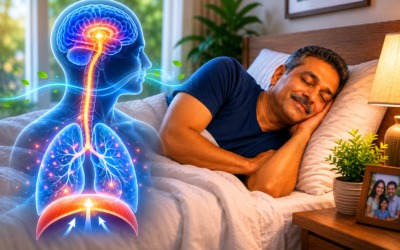
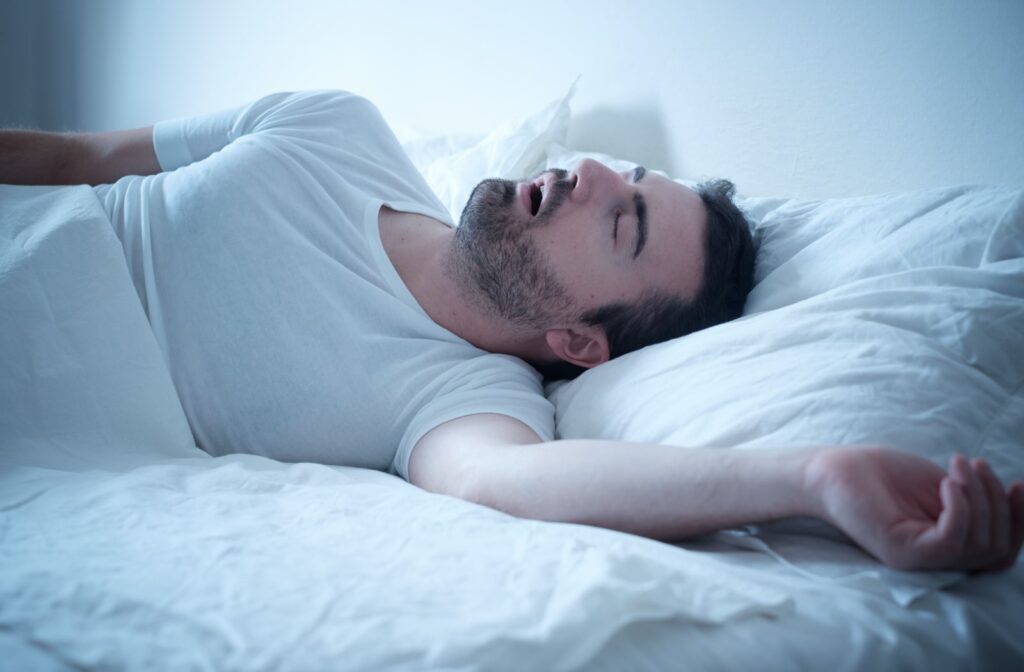
Sleep apnea is a common sleep disorder in which a person’s breathing repeatedly stops and starts during sleep. These pauses in breathing can last from a few seconds to even a minute and may occur multiple times an hour. Each time breathing stops, the brain briefly wakes the body up to restore airflow—often without the person even being aware of it.
There are three main types of sleep apnea:
- Obstructive Sleep Apnea (OSA) – The most common type. It happens when the throat muscles relax too much, blocking the airway.
- Central Sleep Apnea – Occurs when the brain fails to send proper signals to the muscles that control breathing.
- Complex Sleep Apnea Syndrome – A combination of both obstructive and central sleep apnea.
Among these, obstructive sleep apnea is the most widely diagnosed and is often associated with loud snoring.
Common Symptoms of Sleep Apnea
Sleep apnea symptoms can vary from person to person. Some people notice clear warning signs, while others may only discover the issue after a family member points it out.
Night-Time Symptoms:
- Loud, chronic snoring
- Pauses in breathing during sleep (often noticed by a partner)
- Gasping or choking sounds at night
- Frequent awakenings
- Restless sleep
Day-Time Symptoms:
- Excessive daytime sleepiness
- Morning headaches
- Difficulty concentrating
- Irritability or mood changes
- Dry mouth or sore throat upon waking
If you constantly feel tired even after a full night’s sleep, it may be more than just stress—it could be sleep apnea.
What Causes Sleep Apnea?
The causes of sleep apnea depend on the type, but several factors can increase the risk.
Causes of Obstructive Sleep Apnea:
- Excess weight or obesity
- Thick neck circumference
- Enlarged tonsils
- Nasal congestion
- Family history
- Smoking and alcohol consumption
When throat muscles relax excessively during sleep, the airway narrows or becomes blocked, restricting airflow.
Causes of Central Sleep Apnea:
- Heart disorders
- Stroke
- Brainstem conditions
- Use of certain medications (like opioids)
In this case, the issue is not a blocked airway but a communication problem between the brain and breathing muscles.
Who Is at Higher Risk?
Sleep apnea can affect anyone, but certain groups are more vulnerable:
- Men are more likely to develop sleep apnea than women.
- Individuals over 40 years of age.
- People who are overweight.
- Those with high blood pressure.
- Individuals with a family history of sleep disorders.
However, children can also develop sleep apnea, especially if they have enlarged tonsils or obesity.
Health Risks of Untreated Sleep Apnea
Ignoring sleep apnea can lead to serious health consequences. Because breathing repeatedly stops during the night, oxygen levels in the blood drop. Over time, this can strain the body and lead to complications such as:
- High Blood Pressure
Interrupted breathing increases stress hormones, which can raise blood pressure levels.
- Heart Disease
Sleep apnea significantly increases the risk of heart attack, irregular heartbeat, and heart failure.
- Stroke
Reduced oxygen supply and increased blood pressure can raise stroke risk.
- Type 2 Diabetes
Sleep disturbances can affect how the body processes glucose.
- Daytime Fatigue & Accidents
Constant sleep deprivation can lead to poor focus, workplace errors, and even road accidents.
Sleep apnea is not just about snoring—it is a serious medical condition that requires proper diagnosis and treatment.
How Is Sleep Apnea Diagnosed?
If sleep apnea is suspected, a doctor may recommend a sleep study. This can be conducted either at a sleep clinic or sometimes at home using specialized monitoring equipment. The test measures breathing patterns, oxygen levels, heart rate, and brain activity during sleep.
Early diagnosis is key to preventing long-term complications.
Treatment Options
Treatment depends on the severity of the condition:
- Lifestyle Changes: Weight loss, quitting smoking, reducing alcohol intake.
- CPAP Therapy: A Continuous Positive Airway Pressure machine keeps the airway open during sleep.
- Oral Appliances: Custom-made devices that reposition the jaw.
- Surgery: In selected cases, surgery may help remove airway obstruction.
With proper treatment, most people experience significant improvement in sleep quality and overall health.
Conclusion
Sleep apnea is a serious but manageable condition. If you or your loved ones experience loud snoring, daytime fatigue, or breathing pauses during sleep, do not ignore the signs. Early diagnosis and treatment can prevent serious health risks and dramatically improve quality of life.
For expert consultation and specialized care, you can visit:
Dr. YOGESH AGRAWAL
108-C, Khivansara Complex, Datta Mandir Road Wakad Phata, Nr Dange Chowk, above GANESH BHEL, Pune, Maharashtra 411033
Phone: 081494 00043
Website: https://www.sleepapneapune.com/
Taking the first step toward better sleep can lead to a healthier and happier life.
Recent Posts
-
 The Compliance Threshold: Why the First Two Weeks of Airway Therapy Dictate How Your Cardiovascular System Recovers Over the Next Decade
 -
 The Complex Sleep Apnea Transition: Why Treating an Obstruction Can Sometimes Unmask a Completely Separate Neurological Breathing Flaw
 -
 The Brainstem’s Silent Alarm: What Happens When the Central Nervous System Forgets to Tell the Diaphragm to Move
 -
 Acute vs. Chronic Bronchitis: Symptoms, Causes, and Treatment Explained
 -
 Shortness of Breath: 8 Possible Causes and When to Consult a Chest Physician