A cough is one of the body’s natural defense mechanisms that helps clear mucus, dust, allergens, and harmful microorganisms from the respiratory tract. While most coughs are temporary and resolve within a few days, a cough that persists or is associated with other symptoms should never be ignored. It may be an early indication of an underlying respiratory condition that requires prompt medical attention.
Many people delay seeking treatment, assuming their cough will improve on its own. However, this delay can lead to complications, especially if the cause is a chronic lung disease or a serious infection. Consulting an experienced Chest Physician in Pune can help identify the exact cause of your symptoms and ensure timely treatment. A pulmonologist specializes in diagnosing and treating respiratory conditions such as asthma, chronic obstructive pulmonary disease (COPD), pneumonia, tuberculosis, sleep apnea, bronchitis, and other lung disorders.
This blog highlights ten important warning signs that indicate it is time to consult a chest physician instead of ignoring your cough.
What Does a Chest Physician Do?
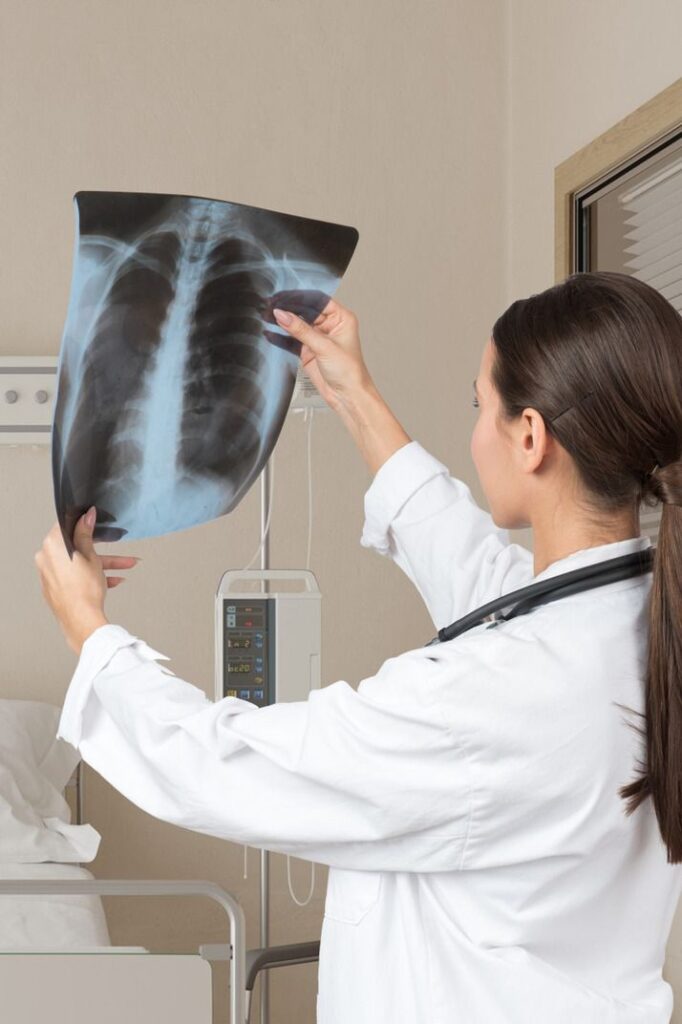
A chest physician, also known as a pulmonologist, is a medical specialist who focuses on diseases affecting the lungs and respiratory system. They diagnose and treat conditions that interfere with normal breathing by using advanced investigations such as pulmonary function tests, chest X-rays, CT scans, bronchoscopy, and sleep studies. Early consultation with a chest specialist helps prevent complications and improves overall lung health through accurate diagnosis and personalized treatment.
1. Your Cough Lasts More Than Three Weeks
A cough that continues for more than three weeks is known as a chronic cough and should always be evaluated by a medical professional. While viral infections usually resolve within a short period, a persistent cough may indicate asthma, chronic bronchitis, tuberculosis, acid reflux, allergies, or another underlying lung condition. Seeking timely evaluation from a Pulmonologist in Pune helps determine the exact cause and ensures appropriate treatment before the condition worsens.
2. You Experience Shortness of Breath
Feeling breathless during routine activities such as climbing stairs, walking short distances, or performing household tasks is not something that should be ignored. Shortness of breath may occur due to asthma, COPD, pneumonia, lung fibrosis, or even heart-related conditions. A chest physician can assess your lung function through detailed examinations and recommend the right treatment plan to improve breathing and overall quality of life.
3. Your Cough Produces Blood
Coughing up blood is one of the most serious warning signs that requires immediate medical attention. Even a small amount of blood in the sputum may indicate tuberculosis, severe lung infections, bronchiectasis, pulmonary embolism, or, in some cases, lung cancer. Early diagnosis by an experienced Chest Specialist in Pune is essential to identify the cause and begin appropriate treatment without delay.
4. You Notice Wheezing While Breathing
A whistling or wheezing sound while breathing often indicates narrowing or inflammation of the airways. Wheezing is commonly associated with asthma, allergic reactions, COPD, or respiratory infections. If wheezing occurs frequently or is accompanied by persistent coughing or breathlessness, it is important to consult a chest physician. Proper evaluation can help diagnose the underlying condition and prevent future breathing complications.
5. You Frequently Develop Chest Infections
Experiencing repeated chest infections throughout the year is not normal and may suggest an underlying respiratory disorder. Frequent infections can occur due to chronic bronchitis, weakened immunity, bronchiectasis, or other lung diseases. If you repeatedly suffer from fever, chest congestion, productive cough, fatigue, or breathing difficulty, a detailed assessment by a pulmonologist can help identify the root cause and reduce the risk of long-term lung damage.
6. You Have Chest Pain While Breathing or Coughing
Chest pain is often associated with heart problems, but it can also be caused by respiratory conditions. Pain that becomes worse while taking deep breaths or coughing may result from pneumonia, pleurisy, lung infections, or inflammation of the chest wall. Ignoring persistent chest pain may delay the diagnosis of serious respiratory diseases. A chest physician can evaluate the cause and recommend appropriate investigations to ensure timely treatment.
7. You Experience Unexplained Weight Loss Along with a Chronic Cough
Unintentional weight loss accompanied by a persistent cough should never be overlooked. This combination of symptoms may indicate tuberculosis, chronic lung infections, advanced COPD, or, in rare cases, lung cancer. Early medical evaluation is essential because identifying the condition in its initial stages significantly improves treatment outcomes and overall prognosis.
8. You Are a Smoker with a Persistent Cough
Many smokers believe that coughing every day is a normal consequence of smoking. However, a persistent smoker’s cough may be an early warning sign of chronic bronchitis, emphysema, COPD, or lung cancer. Smokers and former smokers should undergo regular lung health assessments to detect respiratory diseases at an early stage. Consulting a chest physician can also provide guidance on smoking cessation and strategies to protect long-term lung function.
9. You Snore Loudly and Feel Tired During the Day
Respiratory disorders are not always limited to coughing or breathing difficulties during the day. Loud snoring, interrupted breathing during sleep, excessive daytime sleepiness, morning headaches, and poor sleep quality may indicate obstructive sleep apnea. This condition can increase the risk of high blood pressure, heart disease, and other health complications if left untreated. A chest physician can recommend a sleep study and appropriate treatment to improve both sleep quality and overall health.
10. You Are Frequently Exposed to Pollution or Dust
Continuous exposure to polluted air, industrial dust, construction sites, smoke, or harmful chemicals can gradually damage the lungs. Individuals working in such environments are at a higher risk of developing chronic respiratory diseases. If you notice persistent coughing, wheezing, chest tightness, or difficulty breathing after regular exposure to pollution or dust, consulting a chest physician is essential. Early evaluation and preventive care can help preserve lung function and reduce the risk of chronic illness.
How Does a Chest Physician Diagnose Respiratory Diseases?
Diagnosing respiratory conditions requires a thorough medical history, physical examination, and specialized investigations. Depending on your symptoms, a chest physician may recommend pulmonary function tests, spirometry, chest X-rays, high-resolution CT scans, bronchoscopy, allergy testing, sleep studies, or blood investigations. These diagnostic tools help determine the exact cause of your respiratory symptoms and enable the doctor to develop an effective, personalized treatment plan.
How Can You Keep Your Lungs Healthy?
Maintaining healthy lungs requires a combination of healthy lifestyle habits and regular medical care. Avoiding smoking and secondhand smoke is one of the most effective ways to protect your respiratory system. Staying physically active, eating a balanced diet, drinking adequate water, and maintaining good indoor air quality also contribute to better lung function. Wearing a mask in highly polluted environments and seeking medical attention for persistent respiratory symptoms can help prevent serious lung diseases. Individuals with asthma, COPD, or a history of smoking should undergo regular lung health check-ups to detect problems at an early stage.
When Should You Consult a Chest Physician?
If your cough lasts longer than three weeks, is accompanied by blood, causes breathlessness, or is associated with wheezing, chest pain, unexplained weight loss, or frequent chest infections, you should consult a Chest Physician in Pune without delay. Early diagnosis and timely treatment play a crucial role in preventing complications and improving long-term respiratory health.
Conclusion
A persistent cough should never be dismissed as a minor problem, especially when it is is accompanied by symptoms such as breathlessness, chest pain, wheezing, or recurrent chest infections. Many respiratory conditions, including asthma, COPD, tuberculosis, pneumonia, and sleep apnea, can be effectively managed when diagnosed early. Delaying medical attention may allow these conditions to progress and affect your overall health and quality of life. If you notice any of the warning signs discussed in this blog, seeking expert advice from an experienced chest physician is the best step toward protecting your lungs and improving your respiratory health.
For expert diagnosis and personalized treatment, consult Dr. Yogesh Agrawal – Chest Physician & Pulmonologist, who specializes in the diagnosis and management of a wide range of respiratory disorders, including chronic cough, asthma, COPD, sleep apnea, snoring, lung infections, and other breathing-related conditions.
Dr. Yogesh Agrawal – Chest Physician & Pulmonologist
Address: 108-C, Khivansara Complex, Datta Mandir Road, Wakad Phata, Near Dange Chowk, Above Ganesh Bhel, Pune, Maharashtra – 411033
Phone: +91 81494 00043
Recent Posts
-
 The Compliance Threshold: Why the First Two Weeks of Airway Therapy Dictate How Your Cardiovascular System Recovers Over the Next Decade
 -
 The Complex Sleep Apnea Transition: Why Treating an Obstruction Can Sometimes Unmask a Completely Separate Neurological Breathing Flaw
 -
 The Brainstem’s Silent Alarm: What Happens When the Central Nervous System Forgets to Tell the Diaphragm to Move
 -
 Acute vs. Chronic Bronchitis: Symptoms, Causes, and Treatment Explained
 -
 Shortness of Breath: 8 Possible Causes and When to Consult a Chest Physician