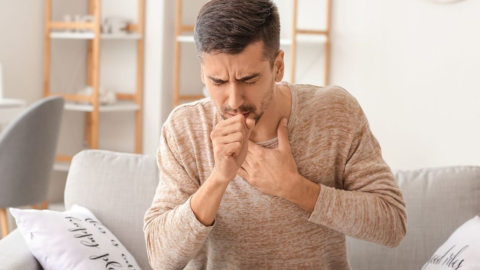
Tuberculosis (TB) is a disease caused by Mycobacterium tuberculosis bacteria that spreads from person to person. TB is most frequently the disease of the lung, but also may affect other organs in the body. Although TB is preventable and curable, it is still one of the leading infectious killers globally.
In India—particularly in cities such as Pune and PCMC—high population density, proximate living conditions, and late diagnosis help propagate it. Prevention of TB in your family necessitates vigilance, prompt medical care, and regular preventive measures.
As a pulmonologist, I’ve witnessed numerous cases where early prevention would have prevented the disease from spreading. Here’s my complete guide to preventing TB in your family.
1. Understand How TB Spreads
TB is spread mostly through the air when someone with active pulmonary TB coughs, sneezes, or talks, emitting small droplets that have bacteria in them.
Being around someone who has active TB for a long time raises your risk, particularly if the area is poorly ventilated.
Fact: TB is not contagious by utensil sharing, handshaking, or casual contact—it’s airborne.
2. Get Early Diagnosis for Ongoing Symptoms
One of the most important steps in prevention is recognising the early signs of TB in yourself or family members. Common symptoms include:
Cough lasting more than 2–3 weeks
Fever, especially in the evening
Night sweats
Unexplained weight loss
Fatigue
If anyone in your family experiences these symptoms, consult a pulmonologist immediately for diagnostic tests such as a chest X-ray, sputum examination, or molecular TB tests.
3. Ensure Early and Complete Treatment
If there is someone with TB in your family, it is important to start treatment as soon as possible. Current TB treatment consists of a combination of antibiotics for 6–9 months, depending on the strain and severity.
Inadequate treatment may result in drug-resistant TB (MDR-TB or XDR-TB), which is harder to cure and is contagious.
Family tip:
Encourage the patient to take medicines regularly.
Go for all the follow-up visits.
Do not discontinue treatment prematurely, even if there is an improvement.
4. Keep a Good Ventilation at Home
TB germs like to live in stagnant, poorly ventilated air. Keeping your home well-ventilated and lit can help lower the chances of transmission.
Prevention tips:
Keep windows open during the day for the circulation of fresh air.
Install exhaust fans in kitchen and bathroom.
Don’t crowd small rooms.
5. Shield High-Risk Family Members
A few people are more susceptible to TB, including:
Children younger than 5 years
Older people
People with diabetes
People whose immune systems are weakened (e.g., HIV patients, chemotherapy patients)
Special precautions:
Make sure they have as little contact as possible with TB patients until the patient is no longer infectious.
Keep them under close observation for symptoms.
Speak to a doctor about preventive TB medication (IPT) if necessary.
6. Practice Cough Hygiene
If one of the family members develops TB or has a persistent cough:
Always use tissue or elbow to cover mouth and nose when coughing/sneezing.
Throw tissues away safely.
Wear a properly fitting mask, particularly in public areas.
These practices significantly minimize the transmission of airborne bacteria.
7. Support Immunity Through Good Living
Having a robust immune system is your first line of defense against TB.
Encourage members of your family to:
Consume a balanced diet with high protein, vitamins, and minerals.
Have enough sleep.
Exercise regularly.
Do not smoke and avoid excessive alcohol consumption.
8. Vaccinate Babies with BCG
In India, the BCG (Bacille Calmette-Guérin) vaccine is administered to newborns for prevention of serious types of childhood TB.
See that your children get it on time as part of their immunization schedule.
9. Screen Close Contacts of TB Patients
If someone in your household has active TB, all close contacts should be screened, even if they have no symptoms. Early screening detects latent TB infection, which can be treated before it becomes active.
10. Follow Up After Recovery
Even after completing TB treatment, regular follow-up check-ups are important to ensure there’s no relapse. Keep medical records handy for future reference.
Conclusion
Preventing TB within your family begins with awareness and prompt action. Identify symptoms early, have a healthy living environment, ensure you get treatment on time, and guard vulnerable members. With basic precautions such as good ventilation, cough hygiene, and frequent health checks, you can lower your risk significantly.
Dr. Yogesh Agrawal is a reliable pulmonologist in Pune/PCMC, giving professional diagnosis, treatment, and prevention of TB and other respiratory conditions—ensuring families can breathe easily and remain healthy.
Recent Posts
-
 The Compliance Threshold: Why the First Two Weeks of Airway Therapy Dictate How Your Cardiovascular System Recovers Over the Next Decade
 -
 The Complex Sleep Apnea Transition: Why Treating an Obstruction Can Sometimes Unmask a Completely Separate Neurological Breathing Flaw
 -
 The Brainstem’s Silent Alarm: What Happens When the Central Nervous System Forgets to Tell the Diaphragm to Move
 -
 Acute vs. Chronic Bronchitis: Symptoms, Causes, and Treatment Explained
 -
 Shortness of Breath: 8 Possible Causes and When to Consult a Chest Physician