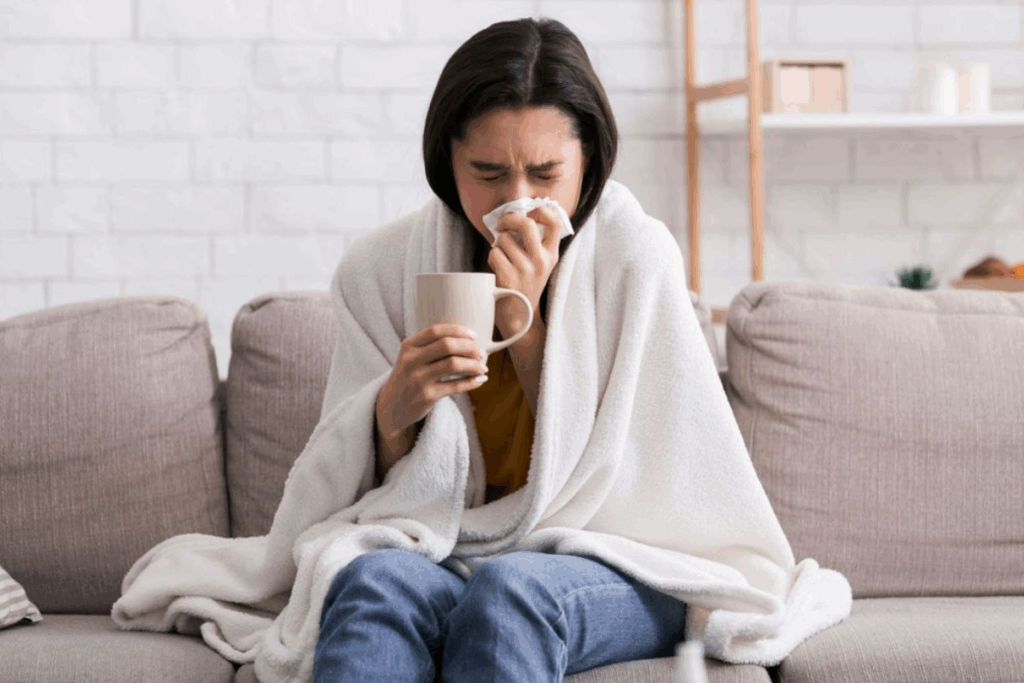
The relief from the hot summer sun that the monsoons bring to Pune is a welcome one, but it also has its own set of health issues—particularly for people with respiratory diseases. The higher humidity, sudden temperature fluctuations, and increased concentration of airborne allergens provide the ideal weather for respiratory diseases to peak.
As a pulmonologist, I usually witness an increase in cases of bronchitis, asthma, pneumonia, and other lung-related diseases during monsoon. Becoming aware of the risks and taking preventive measures will ensure that you breathe easy all through the rainy season.
Why Monsoon Impacts Lung Health
During monsoon:
Humidity increases, so the air becomes denser and more difficult to breathe for individuals suffering from asthma or COPD.
Fungal spores and mold thrive in moist conditions, cause allergies, and infections.
Temperature changes depress immunity, and the body becomes vulnerable to viral and bacterial infections.
Pollutants are trapped as there is stagnant air, and air quality is impaired.
Respiratory Issues in Monsoon
Asthma Attacks – Symptoms may worsen due to humid air and exposure to mold.
Allergic Rhinitis – Sneezing, nasal discharge, and nasal blockage due to spores and dust mites.
Bronchitis – Viral or bacterial infection causing inflammation of the airways.
Pneumonia – Frequent in individuals with low immunity during the wet season.
Fungal Lung Infections – Particularly in individuals with weak immunity.
Symptoms You Must Not Ignore
Long-standing cough for over 2 weeks
Wheezing or difficulty breathing
Chest tightness or pain
Chills with fever
Fatigue or loss of appetite
If you experience these symptoms, it’s crucial to see a pulmonologist at an early stage for precise diagnosis and treatment.
How to Protect Your Lungs in Pune’s Monsoon Weather
1. Preserve Indoor Air Quality
Utilize a dehumidifier to regulate indoor moisture levels.
Have windows open during daytime to ensure air circulation.
Regularly clean filters, air conditioners, and fans to avoid mold infestation.
2. Stop Mold and Dampness
Repair water leakages promptly.
Do not dry clothes inside for extended periods of time.
Wash damp walls with anti-fungal agents.
3. Build Immunity
Consume fresh fruits and vegetables high in vitamin C and antioxidants.
Drink plenty of water to ensure lubrication of the respiratory tract.
Get adequate sleep to support immune function.
4. Wear a Mask Outdoors
Masks can help filter out dust, allergens, and pollutants that often increase after rainfall. For people with allergies, an N95 mask is especially useful.
5. Avoid Sudden Temperature Changes
Shifting from an air-conditioned room to the humid outdoors can trigger respiratory distress. Try to keep indoor temperatures moderate.
6. Take Extra Care if You Have Pre-existing Lung Conditions
Individuals with asthma, COPD, or chronic bronchitis must:
Have inhalers and medications prescribed easily accessible.
Stick to their treatment regimen without missing doses.
Take regular check-ups with their pulmonologist.
Conclusion
Though the monsoon season is invigorating, it may be detrimental to your lungs if you’re not mindful. By enhancing indoor air quality, avoiding dampness, enhancing your immunity, and consulting doctors when the need arises, you can relish the rains without risking your respiratory well-being.
Dr. Yogesh Agrawal, a seasoned pulmonologist in Pune/PCMC, is trained to diagnose and treat asthma, COPD, lung infections, and other respiratory diseases, so patients get the best and personalised treatment.
Recent Posts
-
 The Compliance Threshold: Why the First Two Weeks of Airway Therapy Dictate How Your Cardiovascular System Recovers Over the Next Decade
 -
 The Complex Sleep Apnea Transition: Why Treating an Obstruction Can Sometimes Unmask a Completely Separate Neurological Breathing Flaw
 -
 The Brainstem’s Silent Alarm: What Happens When the Central Nervous System Forgets to Tell the Diaphragm to Move
 -
 Acute vs. Chronic Bronchitis: Symptoms, Causes, and Treatment Explained
 -
 Shortness of Breath: 8 Possible Causes and When to Consult a Chest Physician