How Sleep Studies Work: What to Expect During Polysomnography
If you or a loved one has been struggling with loud snoring, choking during sleep, constant fatigue, or morning headaches, your doctor may recommend a sleep study, also known as polysomnography. For many people, the idea of sleeping in a lab while being monitored sounds uncomfortable or even intimidating. However, understanding the process can help ease anxiety and prepare you for what to expect.
In this blog, we’ll explain how sleep studies work, why they are important, and what actually happens during polysomnography.
What Is a Sleep Study?
A sleep study is a non-invasive diagnostic test used to evaluate sleep disorders such as sleep apnea, restless leg syndrome, insomnia, narcolepsy, and other conditions that disturb normal sleep patterns.
Polysomnography is the most comprehensive type of sleep study. It records multiple body functions while you sleep, including:
- Brain activity
- Eye movements
- Heart rate
- Oxygen levels
- Breathing patterns
- Muscle activity
By analyzing these readings, doctors can identify interruptions in breathing, abnormal movements, or irregular sleep cycles.
Why Is a Sleep Study Recommended?
Your doctor may suggest a sleep study if you experience:
- Loud, persistent snoring
- Pauses in breathing during sleep
- Gasping or choking at night
- Excessive daytime sleepiness
- Unexplained fatigue
- Difficulty concentrating
Sleep disorders often go undiagnosed for years. A proper sleep study provides accurate data, helping doctors create a targeted treatment plan.
Preparing for Your Sleep Study
Preparation for a sleep study is simple and straightforward. You may be advised to:
- Avoid caffeine and alcohol on the day of the test
- Wash your hair and avoid applying oils, gels, or sprays
- Continue regular medications unless instructed otherwise
- Bring comfortable nightwear
You can also carry personal items like a pillow or blanket to feel more relaxed. Most sleep clinics are designed to feel like a comfortable bedroom rather than a hospital room.
What Happens During Polysomnography?
When you arrive at the sleep clinic in the evening, a trained sleep technician will guide you through the process.
- Sensor Placement
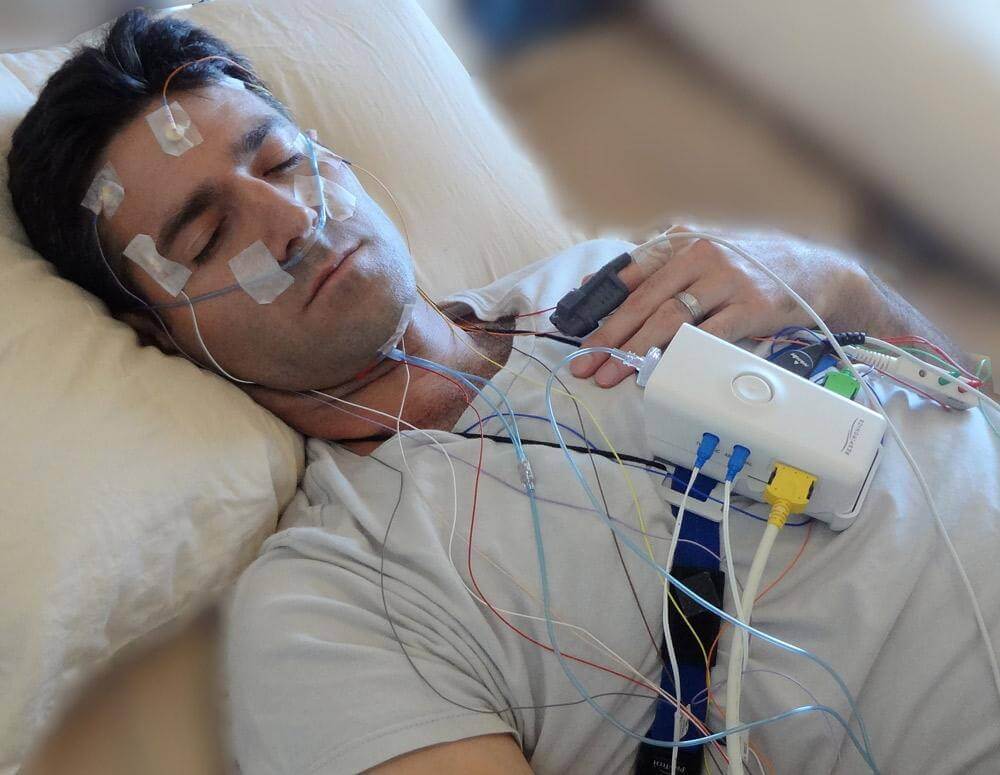
Small, painless sensors are attached to your scalp, temples, chest, and legs using adhesive patches. These sensors record brain waves, heart rhythm, breathing effort, and muscle activity. A soft clip is placed on your finger to measure oxygen levels.
Although it may look like many wires, the setup is designed to allow you to move and sleep comfortably.
- Monitoring Throughout the Night
Once you are ready for bed, the technician will monitor your sleep from another room using specialized equipment. There is usually a camera and audio system so the staff can observe safely without disturbing you.
The study tracks:
- How quickly you fall asleep
- How often you wake up
- Changes in oxygen levels
- Breathing pauses
- Snoring intensity
- Body movements
If sleep apnea is detected early in the night, the technician may introduce CPAP therapy during the same session to determine the ideal air pressure required.
- Morning Discharge
In the morning, the sensors are removed, and you can return home. There is no recovery time needed. Most people are able to resume their normal routine immediately.
Will It Be Difficult to Sleep?
This is the most common concern. While sleeping in a new environment may feel slightly unusual at first, most people manage to fall asleep naturally. Even a few hours of recorded sleep is often enough for doctors to make an accurate diagnosis.
Sleep technicians understand your concerns and aim to make the environment as comfortable as possible.
Understanding the Results
After the study, a sleep specialist carefully analyzes the recorded data. They look at:
- Apnea-Hypopnea Index (AHI) – Measures how many times breathing stops or slows per hour
- Oxygen desaturation levels
- Sleep stages (light, deep, REM sleep)
- Heart rhythm patterns
Based on the findings, your doctor will discuss the diagnosis and recommend appropriate treatment.
Treatment After Diagnosis
If sleep apnea is confirmed, treatment options may include:
- CPAP (Continuous Positive Airway Pressure) therapy
- Oral appliance therapy
- Lifestyle changes such as weight management
- Surgical options in selected cases
With proper treatment, many patients notice improved energy, better concentration, and reduced health risks.
Is a Home Sleep Study an Option?
In some cases, doctors may recommend a home sleep test for suspected obstructive sleep apnea. While convenient, it records fewer parameters compared to in-lab polysomnography. For complex cases, an in-clinic sleep study remains the gold standard for accurate diagnosis.
Why Early Testing Matters
Sleep disorders are not just about snoring or tiredness. Untreated sleep apnea can increase the risk of:
- High blood pressure
- Heart disease
- Stroke
- Diabetes
- Mood disorders
Early diagnosis through polysomnography can prevent long-term complications and significantly improve quality of life.
Conclusion
A sleep study is a safe, painless, and highly effective way to diagnose sleep disorders. While the idea may seem overwhelming at first, the process is simple and comfortable. Polysomnography provides detailed insights into your sleep patterns, allowing specialists to identify problems and offer targeted treatment.
If you are experiencing symptoms like loud snoring, breathing pauses, or excessive daytime sleepiness, seeking professional evaluation is an important step toward better health.
For expert consultation and advanced sleep study services, you can visit:
Dr. YOGESH AGRAWAL
108-C, Khivansara Complex, Datta Mandir Road Wakad Phata, Nr Dange Chowk, above GANESH BHEL, Pune, Maharashtra 411033
Phone: 081494 00043
Website: https://www.sleepapneapune.com/
Prioritizing your sleep today can lead to a healthier and more energetic tomorrow.
Recent Posts
-
 The Compliance Threshold: Why the First Two Weeks of Airway Therapy Dictate How Your Cardiovascular System Recovers Over the Next Decade
 -
 The Complex Sleep Apnea Transition: Why Treating an Obstruction Can Sometimes Unmask a Completely Separate Neurological Breathing Flaw
 -
 The Brainstem’s Silent Alarm: What Happens When the Central Nervous System Forgets to Tell the Diaphragm to Move
 -
 Acute vs. Chronic Bronchitis: Symptoms, Causes, and Treatment Explained
 -
 Shortness of Breath: 8 Possible Causes and When to Consult a Chest Physician