Why Sleep Apnea Symptoms Worsen in Summer — Causes & Solutions
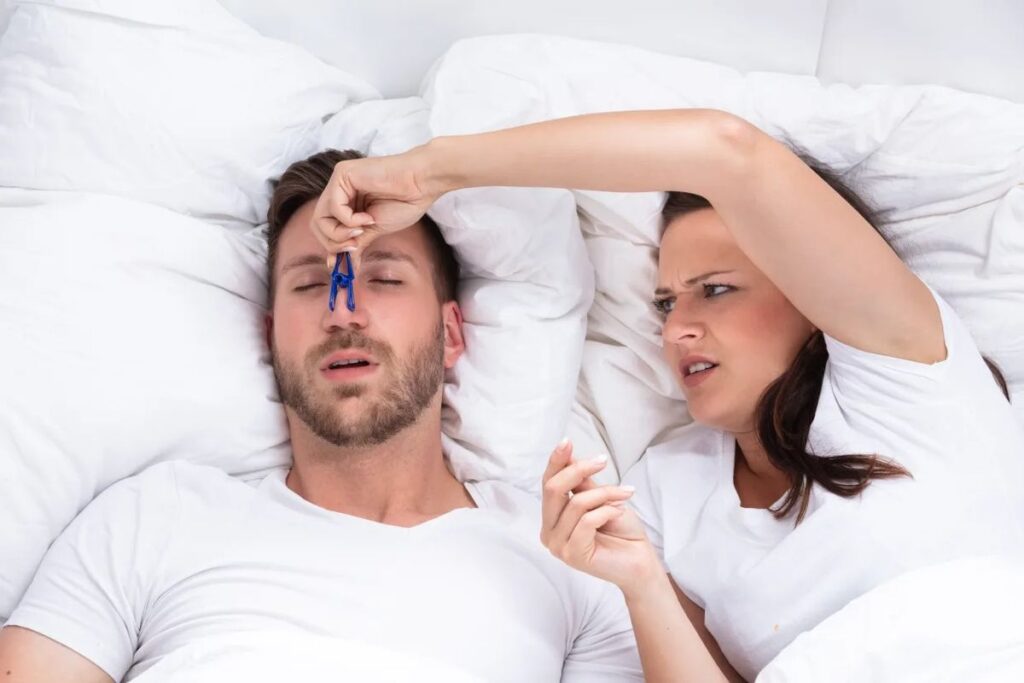
Many people notice that their sleep apnea symptoms tend to get worse during the summer months. Warmer weather, high humidity, poor air quality, increased allergens, and changes in daily routines can all make breathing more difficult at night. For individuals already struggling with Obstructive Sleep Apnea (OSA), these seasonal changes can lead to more frequent sleep disruptions, louder snoring, and increased daytime fatigue. Understanding why this happens and learning how to manage symptoms effectively can make a significant difference in your summer sleep quality.
How Summer Triggers Worsening Sleep Apnea Symptoms
Higher Temperatures Make Breathing Difficult
Summer heat naturally affects the body’s thermoregulation. When the temperature rises, your body works harder to maintain a stable internal temperature. This additional strain leads to shallower breathing at night. For someone with sleep apnea, shallow breathing increases the chances of airway collapse during sleep. If the room is too warm or ventilation is poor, the discomfort becomes even more noticeable, resulting in frequent wake-ups and unrestful sleep.
Humidity Affects Upper Airway Function
High humidity is another major factor that affects sleep apnea during summer. Humid air makes the airway feel congested, heavy, and swollen. People often experience irritation in the nasal passages or throat, which restricts airflow. When the airway becomes narrow, the chances of obstruction during sleep increase significantly. This leads to louder snoring, sudden gasps, and repeated interruptions throughout the night.
Seasonal Allergies Increase Airway Inflammation
Summer brings pollen, dust, mold, and other allergens that can irritate the nose and throat. Allergic reactions cause swelling of the nasal lining, making it harder to breathe smoothly. When airflow is restricted, the body compensates by breathing through the mouth, which further increases the risk of airway collapse. People who suffer from sinus issues, allergic rhinitis, or asthma notice that their sleep apnea symptoms become more severe during summer due to constant airway irritation.
Poor Air Quality and Pollution Worsen Symptoms
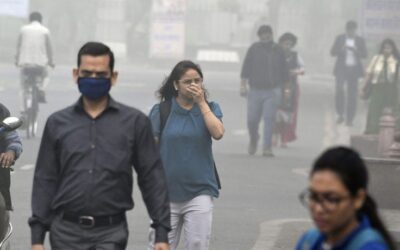
Urban areas experience higher pollution levels during summer due to heat, vehicle emissions, and ozone formation. Poor air quality inflames the respiratory tract, making breathing more difficult for sleep apnea patients. When the lungs or throat are irritated, sleep becomes shallow and frequently disrupted. Individuals may wake up feeling breathless or congested, even if they use CPAP machines regularly.
Changes in Sleep Routine and Hydration
Summer often brings changes in lifestyle. People stay out longer, travel more, and sleep later than usual. Disruption in sleep routine affects the body’s internal clock, making it harder to maintain stable sleep patterns.
Dehydration is also common in summer due to sweating and heat exposure. When the body is dehydrated, the throat becomes dry and sticky, increasing the chances of airway obstruction during sleep. Proper hydration helps keep the airway muscles functioning smoothly.
Use of Air Conditioners and Fans
Although air conditioning provides relief from heat, it can dry out the nose and throat if used for long hours. A dry airway becomes irritated and inflamed, leading to difficulty breathing at night. Fans increase airflow but can blow dust and pollen around the room, worsening allergies and sleep apnea symptoms. Managing indoor air properly is essential for reducing nighttime discomfort.
How Worsened Summer Symptoms Affect Your Daily Life
Summer-related sleep disruptions often lead to daytime fatigue. People wake up feeling unrefreshed, even after a full night’s sleep. This affects concentration, work performance, and overall energy levels. Mood swings, irritability, and reduced productivity are also common. Some individuals even experience worsening headaches, dizziness, and reduced stamina. When sleep apnea is poorly managed in summer, the risk of cardiovascular strain increases because the heart is forced to work harder when oxygen levels drop repeatedly during sleep.
Solutions to Manage Sleep Apnea During Summer
Maintain a Cool and Comfortable Environment
Keeping your bedroom at an ideal temperature helps reduce breathing difficulties at night. A temperature between 18°C and 22°C is generally comfortable for most people. If you use an air conditioner, ensure that the airflow is gentle and not directly blowing on you. Consider using a humidifier if your AC makes the room too dry.
Reduce Exposure to Allergens
Taking steps to reduce allergens in the bedroom can significantly improve airflow during sleep. Washing bed linens regularly, using anti-allergy pillow covers, and keeping windows closed during high-pollen hours can reduce throat and nasal irritation. Showering after spending time outdoors can help remove pollen from your hair and skin.
Stay Hydrated Throughout the Day
Drinking enough water helps keep the airway moist and flexible. Proper hydration reduces throat dryness, decreases inflammation, and improves the function of airway muscles. Avoid drinking too many sugary or caffeinated drinks in the evening as they may disrupt sleep.
Use CPAP or Recommended Therapy Consistently
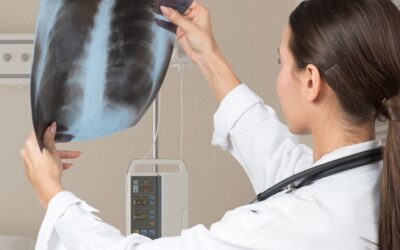
If you are using a CPAP machine, ensure the device is cleaned properly and the filters are changed regularly, especially during summer when dust levels are high. Using the humidifier setting on your CPAP machine can prevent dryness and irritation. If your symptoms worsen, consult your pulmonologist to check if your CPAP pressure settings need adjustment.
Maintain a Healthy Sleep Schedule
Keeping a consistent sleep routine helps regulate the body’s internal clock. Going to bed and waking up at the same time every day, even during vacations, helps maintain deeper and more restorative sleep. Avoid heavy meals, alcohol, or caffeine close to bedtime because they relax the throat muscles and worsen OSA symptoms.
Conclusion
Sleep apnea symptoms often worsen during summer due to heat, humidity, allergens, pollution, dehydration, and changes in lifestyle habits. These factors make breathing more difficult at night, leading to increased snoring, frequent awakenings, and significant daytime fatigue. By understanding the causes and adopting simple solutions such as improving air quality, managing hydration, maintaining your CPAP equipment, and keeping a stable sleep routine, you can enjoy better sleep even in the hottest months.
For expert guidance and treatment of sleep apnea and other respiratory conditions, you can contact:
Dr. Yogesh R Agrawal – Pulmonologist & Chest Specialist
Address: 201, Sriram Yashadha Building, Main Baner Road, Pune, Maharashtra 411069
Phone: 090215 40490
Address: 108-C, Khivansara Complex, Datta Mandir Road, Wakad Phata, Near Dange Chowk, Above Ganesh Bhel, Pune, Maharashtra 411033
Phone: 081494 00043
Recent Posts
-
 Shortness of Breath: 8 Possible Causes and When to Consult a Chest Physician
 -
 How Air Pollution in Pune Is Affecting Your Lung Health: Expert Prevention Tips
 -
 10 Warning Signs You Should Visit a Chest Physician Instead of Ignoring Your Cough
 -
 The 10-Second Suffocation Threshold: How the Brain Measures Oxygen Destruction Before Forcing You to Wake Up Gasping
 -
 Gravity’s Silent Chokehold: The Midnight Physics of a Collapsing Throat