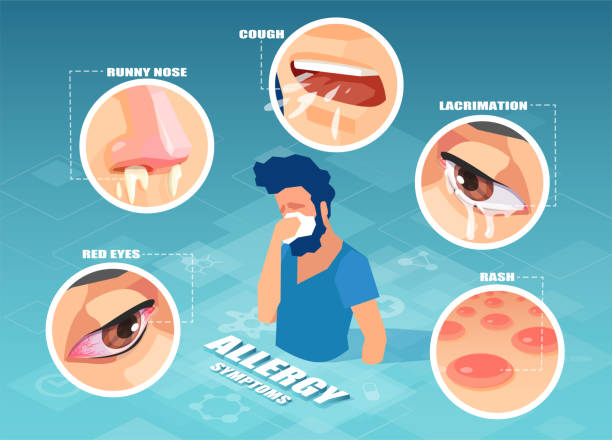
Most individuals who experience allergies—sneezing, watery eyes, stuffy nose—may not know that these symptoms may be linked to something more severe: asthma. Not surprisingly, allergic reactions and asthma tend to go hand in hand. Called allergic asthma, this condition happens when allergens cause asthma symptoms such as wheezing, breathlessness, and chest tightness. But can allergies become asthma eventually?
What Are Allergies?
Allergies are an overreaction of the immune system to substances that are normally harmless, like pollen, dust mites, pet dander, mold, or specific foods. When someone with allergies is exposed to a trigger (also called an allergen), their body sends out chemicals such as histamine, which creates inflammation in the nose, eyes, skin, or lungs.
Some common allergy symptoms are:
- Sneezing
- Runny or stuffy nose
- Watery, itchy eyes
- Skin rashes
- Coughing
For some, these responses are mild and seasonal, whereas others have symptoms throughout the year, particularly if allergens are found in the home or place of work.
What Is Asthma?
Asthma is a persistent respiratory disease that affects the airways of the lungs.. It results in inflammation and constriction of the air passages, leading to difficulty breathing. Asthma may have a wide range of symptoms, from mild to severe, including:
- Wheezing
- Recurring coughing (particularly at night or early morning)
- Chest tightness
- Difficulty breathing
Asthma is caused by a number of factors such as cold air, exercise, respiratory infections, pollution, and, significantly, allergens.
The Allergy-Asthma Connection
Research indicates that between 90% of children and about 50% of adults who have asthma also have allergies. This overlap suggests a close association between the two disorders.. Asthma caused by allergic reactions is referred to as allergic asthma.
Here’s what happens: allergens invade your body and make your immune system overactive. Besides producing common allergy symptoms such as sneezing or watery eyes, these allergens have the ability to initiate inflammation in your lower airways. Repeated exposure to allergens over time can gradually sensitize the airways further, ultimately resulting in asthma symptoms.
Can Allergies Become Asthma?
Although not all people with allergies end up getting asthma, studies indicate that individuals with allergies particularly those who have allergic rhinitis (hay fever)—are more likely to develop asthma in the future. This phenomenon has also been referred to as the “allergic march,” where allergic conditions evolve from eczema and food allergy during infancy to allergic rhinitis and asthma later on in life.
Various factors make allergies more likely to become asthma:
Genetics: A history of asthma or allergies in your family raises your risk.
Chronic allergen exposure: Ongoing exposure to indoor allergens such as dust mites or mold can enhance respiratory inflammation.
Environmental pollution: Indoor environments that have high levels of pollution may exacerbate allergies as well as asthma.
Early allergy onset: Children who become allergic at a young age might be more likely to develop asthma.
If you already have allergies, look out for the following symptoms that can indicate developing asthma:
- Coughing a lot, particularly at night
- Wheezing or labored breathing
- Shortness of breath during exercise
- A sensation of constriction or heaviness in the chest
- Coughing or wheezing caused by allergens, cold air, or exercise
If any of these symptoms manifest, it’s crucial to seek the advice of a pulmonologist or allergy specialist for proper assessment.
Managing Allergies to Prevent Asthma
Efficiently managing your allergies is perhaps one of the most effective measures in lowering asthma’s risk development. Below are a few preventative measures:
Avoidance of allergens: Detect and reduce allergen exposure in the form of dust, pollen, pet dander, and mold.
Medications: Apply antihistamines, nasal sprays, or allergy shots (immunotherapy) according to prescription.
Indoor air quality: Apply air purifiers, vacuum cleaners regularly, and maintain low humidity.
Early detection: Regular check-ups can diagnose inflammation of the airways prior to its advance.
Yes, at times, allergies may develop into asthma, particularly when not controlled. Allergic asthma is a prevalent condition, and it is essential to know the relationship between allergies and asthma in order to identify them early and initiate treatments. With preventive care, avoiding allergen exposure, and getting medical help in time, managing the two conditions becomes easy and minimizes the chances of long-term respiratory ailments.
Summary
Asthma and allergies have a close relationship, and when not controlled, allergies can develop into asthma in the long term. If you keep getting allergic reactions and develop respiratory symptoms such as wheezing or breathlessness, it’s crucial that you meet a specialist. Dr. Yogesh Agrawal, one of the top chest physicians in Pune, provides expert advice on diagnosing and treating allergies and asthma. Early treatment can save your lungs and enhance your lifestyle.
Recent Posts
-
 The Compliance Threshold: Why the First Two Weeks of Airway Therapy Dictate How Your Cardiovascular System Recovers Over the Next Decade
 -
 The Complex Sleep Apnea Transition: Why Treating an Obstruction Can Sometimes Unmask a Completely Separate Neurological Breathing Flaw
 -
 The Brainstem’s Silent Alarm: What Happens When the Central Nervous System Forgets to Tell the Diaphragm to Move
 -
 Acute vs. Chronic Bronchitis: Symptoms, Causes, and Treatment Explained
 -
 Shortness of Breath: 8 Possible Causes and When to Consult a Chest Physician