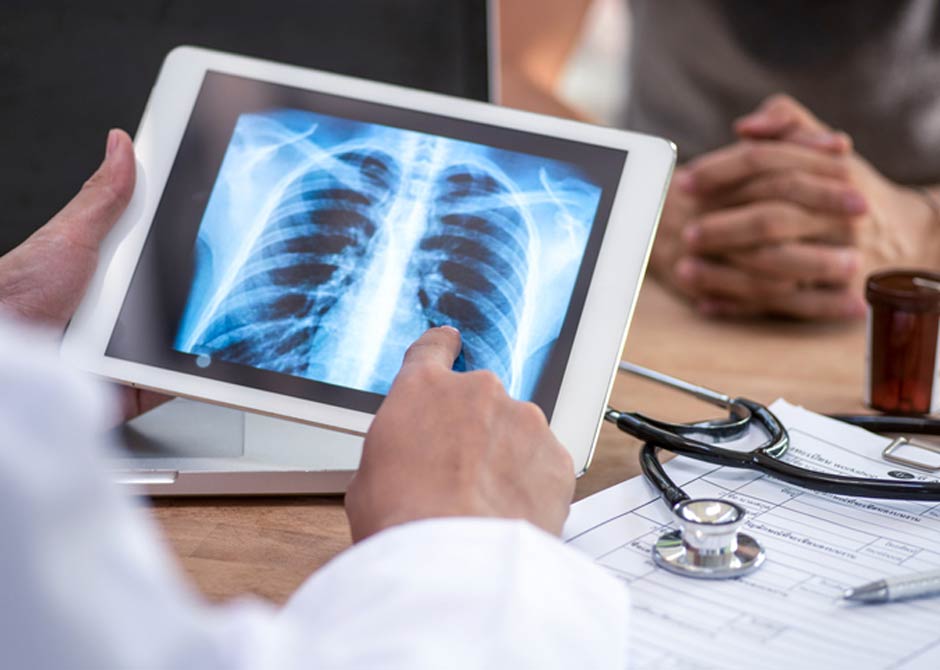
Lung diseases are usually thought of as something that becomes apparent with clear-cut symptoms such as coughing, shortness of breath, or chest pain. But some lung diseases creep along silently, symptom-free, and can lead to permanent damage before they are even diagnosed. These “silent lung diseases” are a serious issue, and early screening is a key to saving lives. In this blog, we are going to talk about the need for early detection, the types of silent lung diseases, and why you should avail yourself of regular screening.
What Are Silent Lung Diseases?
Silent lung diseases are the ones that advance slowly and are not showing noticeable symptoms until they have advanced a long way. They usually remain unnoticed by the person until the disease has already done its damage. When the symptoms are already apparent, it may already be too late to completely reverse the damage. The good news, however, is that screening at an early stage can detect these diseases before they become out of control, which greatly enhances the possibility of effective treatment.
Common Silent Lung Diseases
Chronic Obstructive Pulmonary Disease (COPD)
COPD is a very prevalent lung disease, but it usually doesn’t get diagnosed until it’s in its advanced stage. It is normally caused by exposure to irritants over a long period of time, such as cigarette smoke or air pollution. Early in the disease, COPD may have mild symptoms of a cough or tiredness from time to time. But by the time severe symptoms arise, irreversible damage to the lung may have occurred.
Lung Cancer
Another silent killer is lung cancer, which might not display symptoms until its advanced stage. Most patients are not aware of chest pain or chronic cough initially. When such symptoms as trouble breathing, loss of weight unexplained, or blood cough appear, the cancer could have developed in other organs, making successful treatment less likely.
Interstitial Lung Disease (ILD)
Interstitial lung diseases are a group of conditions affecting the tissue and fluid space around the small air sacs (alveoli) of the lungs, which lead to inflammation and scarring of the lungs and impair breathing. These conditions usually progress without noticeable symptoms in the initial stages. Shortness of breath and dry cough might be unimportant initially but can become more severe over time. ILD can cause irreversible scarring of the lungs if not detected early.
Sleep Apnea
Sleep apnea, especially obstructive sleep apnea, can also be termed a silent lung disease. It is a condition where the airway is blocked during sleep, leading to frequent interruptions in breathing. The impact of sleep apnea goes unnoticed because the condition only happens when one is asleep. Sleep apnea, if not treated, can result in severe complications such as heart disease and high blood pressure.
Why Early Screening Matters
Early Intervention Saves Lives
The sooner a lung disease is diagnosed, the simpler it is to control and treat. Early COPD, for instance, can be treated with medication and lifestyle modification that avoids additional lung damage. Early detection of lung cancer, too, can result in more treatment choices and possibly a greater survival rate. For interstitial lung disease, early treatment can delay the worsening of lung scarring and enhance quality of life.
Prevention of Progression
Screening can detect those at risk of developing advanced lung diseases. By detecting risk factors early (e.g., family history, smoking, or environmental exposures), healthcare professionals can advise lifestyle modifications, medications, or other treatments to prevent the disease from advancing to its later stages.
Improved Quality of Life
Detecting lung disease early allows for better symptom management, which directly impacts a patient’s quality of life. For example, early-stage lung diseases can be treated to relieve breathlessness, coughing, and fatigue. In contrast, those who wait until symptoms worsen often face more invasive treatments and prolonged recovery times.
Cost-Effective Healthcare
Treating lung disease in its later stages may be expensive and intensive. Early screening can cut down on the necessity for high-cost hospitalization, surgery, and extended-care services. In addition, detection of lung diseases at their earliest stages can result in more effective, cost-saving treatments.
What Are the Screening Options?
A number of different screening tests are possible based on the risk factors and the targeted disease. Some of the most prevalent are:
Low-Dose CT Scans for Lung Cancer
Low-dose CT scans are a screening modality that is suggested for people at high risk, including long-time smokers or those with prior exposure to toxins. The test is able to identify lung cancer when it is at its most curable, earliest stage.
Spirometry for COPD
Spirometry is a routine test that tests lung function and can identify COPD even before its major symptoms show up. It is most helpful for smokers or individuals with a history of lung disease in their family.
Pulse Oximetry for Sleep Apnea
Pulse Oximeter
A pulse oximeter is an innocuous, painless device that measures the amount of oxygen in your blood and gives an estimate of how well the body is being oxygenated.It can be used to identify sleep apnea and whether or not further testing, such as a sleep study, is required.
Chest X-rays for Interstitial Lung Disease
Chest X-rays can identify early evidence of interstitial lung disease, although more sophisticated imaging such as CT scans might be required to make a firm diagnosis.
Who Should Get Lung Disease Screening?
Early detection of lung diseases is especially vital for persons who have certain risk factors, including:
- Smokers or ex-smokers
- Those with a history of lung disease in the family
- Those exposed to toxic chemicals or environmental toxins
- Those with unexplained respiratory symptoms such as shortness of breath, chronic cough, or tiredness
If you belong to one of these groups, it’s important to discuss the right screening options with your healthcare provider based on your individual needs.
Conclusion
Silent lung diseases can be perilous since they usually develop without notice, inflicting serious damage before they are discovered. Early screening is the secret to avoiding advancement, enhancing treatment results, and saving lives. By identifying these diseases in their earliest stages, individuals can take control of their health, receive timely treatment, and continue living a healthier life. If you’re at risk or experiencing unexplained respiratory symptoms, don’t wait—talk to your healthcare provider about screening options today.
Early detection isn’t just important for treating diseases; it’s essential for prevention, intervention, and saving lives. Be proactive about your lung health—screening could make all the differencre
Summary
Routine lung health check-ups are essential in order to diagnose and treat respiratory conditions while they are still mild. Early diagnosis enables more successful treatments, improved health, and reduced risk of permanent damage. If you are at risk or concerned about your lung health, book a check-up with your trusted healthcare professional. Dr. Yogesh Agrawal, one of Pune’s leading pulmonologists, can walk you through the process, ensuring that your lungs stay healthy. Don’t wait—start taking steps toward healthier lungs today.
Recent Posts
-
 The Compliance Threshold: Why the First Two Weeks of Airway Therapy Dictate How Your Cardiovascular System Recovers Over the Next Decade
 -
 The Complex Sleep Apnea Transition: Why Treating an Obstruction Can Sometimes Unmask a Completely Separate Neurological Breathing Flaw
 -
 The Brainstem’s Silent Alarm: What Happens When the Central Nervous System Forgets to Tell the Diaphragm to Move
 -
 Acute vs. Chronic Bronchitis: Symptoms, Causes, and Treatment Explained
 -
 Shortness of Breath: 8 Possible Causes and When to Consult a Chest Physician