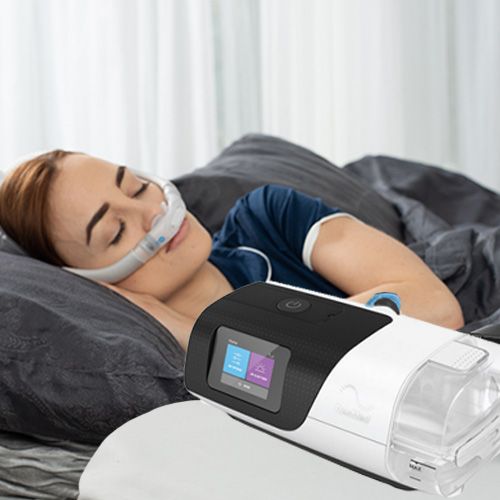
Sleep apnea affects millions of people worldwide, often causing loud snoring, daytime sleepiness, and interrupted sleep cycles. Thankfully, modern sleep therapy devices have made it easier to breathe better at night and enjoy restful sleep. Among the most common treatments are CPAP, BiPAP, and Auto-PAP machines—but choosing the right one can feel confusing, especially for someone new to sleep therapy.
Understanding the differences between these devices can help you and your sleep specialist pick the most effective therapy based on your condition and comfort. Let’s break down each option in a simple and human-friendly way.
What Is CPAP, BiPAP, and Auto-PAP?
These devices are part of Positive Airway Pressure (PAP) therapy. They work by delivering pressurized air through a mask to keep your airway open during sleep.
- CPAP (Continuous Positive Airway Pressure)
CPAP provides a constant, steady pressure of air throughout the night.
It is the most commonly prescribed device for obstructive sleep apnea (OSA).
- BiPAP (Bilevel Positive Airway Pressure)
BiPAP delivers two different pressures:
- Higher pressure when you inhale
- Lower pressure when you exhale
It is more comfortable for people who struggle with the fixed pressure of CPAP.
- Auto-PAP (APAP or Auto-CPAP)
Auto-PAP automatically adjusts the air pressure based on your breathing patterns.
It increases pressure when airway blockage is detected and reduces it when breathing normalizes.
How Do These Machines Differ?
Understanding their differences is key to making the right choice.
- Air Pressure Settings
- CPAP: Fixed pressure
- BiPAP: Two pressure levels (inhale/exhale)
- Auto-PAP: Automatically adjusts pressure throughout the night
- Comfort Level
- Some people find CPAP pressure too strong, especially during exhalation.
- BiPAP offers greater comfort due to its dual-pressure feature.
- Auto-PAP feels gentle and adaptable since the machine “learns” your breathing patterns.
- Medical Use Cases
- CPAP: First-line therapy for moderate to severe OSA.
- BiPAP: Recommended for patients with high pressure needs, COPD, neuromuscular disorders, or difficulty exhaling.
- Auto-PAP: Ideal for people whose breathing varies throughout the night or who require flexible pressure settings.
- Sleep Experience
- CPAP offers stability but may feel rigid.
- BiPAP feels more natural for people with breathing difficulties.
- Auto-PAP provides a customized experience with automatically optimized pressure.
Advantages of Each Therapy
✔ CPAP Benefits
- Simple to use
- Highly effective for most OSA patients
- Often more affordable
- Widely available
✔ BiPAP Benefits
- Great for people who cannot tolerate CPAP
- More comfortable for high-pressure treatments
- Helps in complex sleep apnea and certain lung diseases
✔ Auto-PAP Benefits
- Adjusts pressure automatically
- Enhances comfort based on real-time breathing
- Ideal for people whose sleep apnea severity changes during the night
Which Therapy Is Best for You?
Choosing the right device depends on your medical condition, comfort level, and the severity of your sleep apnea.
CPAP is best for you if:
- You have uncomplicated or moderate obstructive sleep apnea
- You can tolerate steady airflow
- Your sleep specialist recommends a fixed-pressure device
BiPAP is best for you if:
- You require high pressure settings
- You struggle to exhale against constant pressure
- You have central sleep apnea or other respiratory conditions
Auto-PAP is best for you if:
- Your breathing patterns change throughout the night
- You want a device that adapts automatically
- You’re new to sleep therapy and unsure which pressure suits you
Comfort Tips for Better PAP Therapy
Regardless of the device you use, comfort plays a huge role in long-term success. Here are some tips:
- Choose the right mask size and style
- Keep your machine clean and filters replaced
- Use a humidifier to avoid dryness
- Start with short sessions if you’re new to PAP therapy
- Review your therapy settings regularly with your doctor
Remember, the goal is not just to use the machine—but to sleep better, breathe easier, and feel more energetic during the day.
Conclusion
CPAP, BiPAP, and Auto-PAP machines each offer unique benefits depending on your sleep apnea severity, breathing patterns, and comfort needs. While CPAP works well for most people, BiPAP and Auto-PAP provide more personalized and flexible treatment options. The best way to choose is by consulting a sleep specialist who can evaluate your symptoms and recommend the most effective therapy.
For expert evaluation, personalized sleep solutions, and advanced treatment for sleep apnea and snoring, visit:
Dr. YOGESH AGRAWAL
Snoring Treatment In Pune & PCMC | Sleep Apnea Specialist in Pune | Snoring Specialist in Pune
Address: 108-C, Khivansara Complex, Datta Mandir Road, Wakad Phata, Nr Dange Chowk, above GANESH BHEL, Pune, Maharashtra 411033
Recent Posts
-
 The Compliance Threshold: Why the First Two Weeks of Airway Therapy Dictate How Your Cardiovascular System Recovers Over the Next Decade
 -
 The Complex Sleep Apnea Transition: Why Treating an Obstruction Can Sometimes Unmask a Completely Separate Neurological Breathing Flaw
 -
 The Brainstem’s Silent Alarm: What Happens When the Central Nervous System Forgets to Tell the Diaphragm to Move
 -
 Acute vs. Chronic Bronchitis: Symptoms, Causes, and Treatment Explained
 -
 Shortness of Breath: 8 Possible Causes and When to Consult a Chest Physician