Shortness of Breath: 8 Possible Causes and When to Consult a Chest Physician
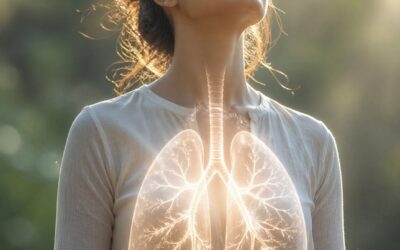
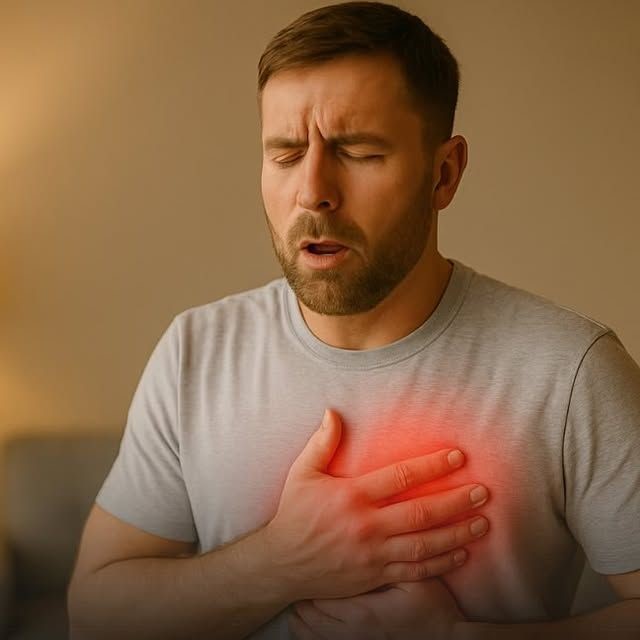
Experiencing shortness of breath, medically known as dyspnea, can be a deeply unsettling experience. Whether it strikes suddenly during mild physical exertion or develops gradually over several weeks, feeling like you cannot draw enough oxygen into your lungs is a primary signal your body should never ignore. While temporary breathlessness can naturally occur after intense cardiovascular exercise, persistent or unexplained breathing difficulties often point to underlying respiratory or cardiovascular issues that require professional attention.
When breathing difficulties begin to interfere with your daily life, relying on rest or self-medication is not a viable strategy. Consulting a specialist, such as a chest physician or pulmonologist, is the most crucial step in identifying the root cause of your symptoms. A specialist can help you receive targeted medical treatment before permanent lung damage occurs, ensuring your airways remain healthy and fully functional.
Eight Common Causes of Shortness of Breath
Chronic Obstructive Pulmonary Disease
Chronic Obstructive Pulmonary Disease, commonly referred to as COPD, is a progressive inflammatory lung disease that severely obstructs airflow. Primarily caused by long-term exposure to irritating gases, particulate matter, or cigarette smoke, it makes simple tasks like climbing stairs or walking short distances feel like an uphill battle. The condition gradually damages the air sacs in your lungs, making it increasingly difficult to fully empty your lungs during exhalation.
Acute and Chronic Bronchitis
Bronchitis is characterized by the deep inflammation of the bronchial tubes, which are the main airways carrying air to and from your lungs. While acute bronchitis often follows a viral cold and resolves within a few weeks, chronic bronchitis is a much more serious condition. It involves a persistent, mucus-producing cough and breathing difficulties that last for months at a time, indicating long-term airway damage.
Pneumonia and Deep Lung Infections
Pneumonia is a serious respiratory infection that causes the microscopic air sacs in one or both lungs to inflame and fill with fluid or pus. This fluid accumulation prevents oxygen from easily entering your bloodstream, resulting in rapid, shallow breathing, chest pain, shaking chills, and a high fever. It requires prompt medical intervention to prevent severe respiratory complications.
Respiratory Allergies and Cough-Variant Asthma
Allergic reactions to airborne triggers like dust mites, pollen, mold spores, or pet dander can cause immediate swelling and constriction in your airways. This chronic inflammation often presents as a tight chest, a persistent dry cough, and sudden bouts of breathlessness, particularly during seasonal changes or exposure to specific environments.
Smoking-Related Lung Disease
Whether through active smoking or regular exposure to secondhand smoke, inhaling toxins destroys the delicate air sacs in your lungs over time. This damage leads to conditions like emphysema, where the lungs lose their natural elasticity, making it incredibly difficult to fully exhale and leaving you constantly feeling starved of oxygen.
Asthma and Bronchospasms
Asthma causes your airways to narrow, swell, and produce extra mucus in response to various triggers. During an asthma flare-up, the muscles surrounding your airways tighten, which is known as a bronchospasm. This constriction leads to chest tightness, audible wheezing, and an acute inability to catch your breath.
Cardiovascular Complications
Because your heart and lungs work in perfect harmony to oxygenate your body, breathing problems can sometimes originate in the cardiovascular system. Conditions like coronary artery disease, heart failure, or a sudden drop in blood pressure can prevent the heart from pumping enough oxygenated blood, presenting as severe breathlessness.
Physical Deconditioning and Anxiety
A sudden onset of rapid breathing can also be triggered by intense emotional stress, panic attacks, or hyperventilation. Furthermore, a lack of regular physical activity can lead to poor cardiovascular fitness, meaning your muscles require more oxygen than your lungs can comfortably supply during mild physical exertion.
Critical Red Flags and When to Seek Immediate Care
While some cases of mild breathlessness may resolve with lifestyle changes, you must schedule an evaluation with a pulmonologist if you experience certain warning signs. Feeling short of breath even when sitting completely still or lying flat in bed is a major indicator of lung or heart distress.
Additionally, a dry or productive cough that has lasted for more than three weeks alongside breathing struggles warrants professional attention. Spotting blood or rust-colored phlegm in your saliva, feeling sharp chest pain that intensifies when you breathe deeply, or dealing with systemic symptoms like persistent low-grade fevers, excessive night sweats, and unexplained weight loss all require immediate clinical investigation.
How a Chest Specialist Diagnoses Your Symptomn A chest physician will perform a series of non-invasive, highly detailed diagnostic tests to pinpoint the exact reason behind your breathing struggles. They often begin with pulmonary function tests, such as spirometry, which measure exactly how much air your lungs can hold and how quickly you can blow it out.
They also rely on detailed imaging like chest X-rays or high-resolution CT scans to check for structural lung damage, infections, or fluid buildup. In addition, pulse oximetry is used to quickly and painlessly measure the oxygen saturation level in your blood, ensuring you treat the actual disease rather than just masking the symptoms.
Conclusion
Your lungs are highly resilient but delicate organs. Shortness of breath is your body’s primary distress signal, and ignoring it can lead to progressive, irreversible respiratory complications. Seeking early specialist care from an experienced pulmonologist will help you regain your lung capacity, protect your heart, and restore your physical freedom.
For expert consultation and treatment, you can contact:
Dr. Yogesh R Agrawal – Pulmonologist & Chest Specialist
Address: 201, Sriram Yashadha Building, Main Baner Road, Pune, Maharashtra 411069
Phone: 090215 40490
Address: 108-C, Khivansara Complex, Datta Mandir Road, Wakad Phata, Near Dange Chowk, Above Ganesh Bhel, Pune, Maharashtra 411033
Phone: 081494 00043
Recent Posts
-
 The Compliance Threshold: Why the First Two Weeks of Airway Therapy Dictate How Your Cardiovascular System Recovers Over the Next Decade
 -
 The Complex Sleep Apnea Transition: Why Treating an Obstruction Can Sometimes Unmask a Completely Separate Neurological Breathing Flaw
 -
 The Brainstem’s Silent Alarm: What Happens When the Central Nervous System Forgets to Tell the Diaphragm to Move
 -
 Acute vs. Chronic Bronchitis: Symptoms, Causes, and Treatment Explained
 -
 Shortness of Breath: 8 Possible Causes and When to Consult a Chest Physician