How Air Pollution in Pune Is Affecting Your Lung Health: Expert Prevention Tips
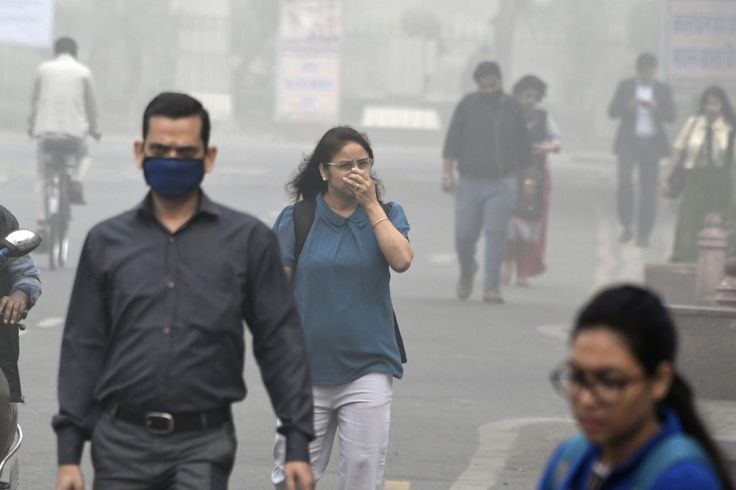
Air pollution has become one of the biggest environmental health concerns in urban cities, and Pune is no exception. With increasing traffic, rapid urbanization, construction activities, industrial emissions, and seasonal changes, the city’s air quality often deteriorates, exposing residents to harmful pollutants every day. While many people associate air pollution with temporary discomfort, prolonged exposure can have serious effects on lung health and overall well-being.
The tiny pollutants present in the air can enter deep into the lungs, causing irritation, inflammation, and long-term respiratory problems. Children, senior citizens, pregnant women, and individuals with pre-existing lung conditions such as asthma or chronic obstructive pulmonary disease (COPD) are particularly vulnerable.
If you frequently experience coughing, breathlessness, wheezing, or allergies, consulting an experienced Chest Physician in Pune can help detect pollution-related lung problems early and prevent serious complications.
Understanding Air Pollution in Pune
Pune has witnessed rapid growth over the past decade, resulting in increased vehicle emissions, construction dust, industrial pollution, and reduced green cover. During winter and dry seasons, pollution levels often rise due to stagnant air, allowing harmful particles to remain suspended for longer periods.
The most harmful pollutants include particulate matter (PM2.5 and PM10), vehicle exhaust, industrial smoke, nitrogen dioxide, sulfur dioxide, ozone, and dust particles. These pollutants can penetrate deep into the respiratory system, damaging lung tissues and reducing breathing capacity over time.
How Air Pollution Affects Your Lungs
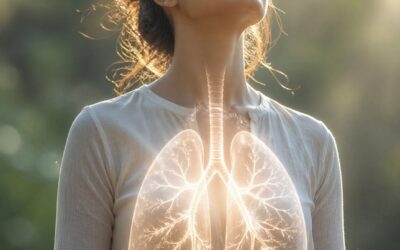
Every breath you take brings air into your lungs, but polluted air also carries microscopic particles and toxic gases. These pollutants irritate the airways, trigger inflammation, and weaken the lungs’ natural defense mechanisms.
Repeated exposure may reduce lung function, increase the risk of respiratory infections, and worsen existing lung diseases. Long-term exposure has also been linked to chronic bronchitis, COPD, lung fibrosis, asthma attacks, and even lung cancer.
Who Is at Greater Risk?
Although air pollution affects everyone, certain groups are more likely to develop respiratory complications.
Children are especially vulnerable because their lungs are still developing and they breathe faster than adults. Older adults often have weaker immune systems, making them more susceptible to respiratory infections. People with asthma, COPD, allergies, or heart disease may notice worsening symptoms even when pollution levels rise slightly. Smokers and individuals who work outdoors or in dusty environments are also at significantly higher risk.
Common Symptoms of Pollution-Related Lung Problems
Exposure to polluted air does not always cause immediate illness, but it often leads to noticeable respiratory symptoms that should not be ignored.
Persistent coughing is one of the earliest signs that your lungs are reacting to polluted air. Many people also experience shortness of breath while walking or climbing stairs, wheezing, chest tightness, throat irritation, watery eyes, sneezing, and increased mucus production. Individuals with asthma may notice more frequent attacks, while those with COPD often experience worsening breathlessness.
If these symptoms continue for several weeks, consulting a Pulmonologist in Pune is highly recommended.
Diseases Caused or Worsened by Air Pollution
Air pollution can either trigger new respiratory diseases or worsen existing conditions.
Asthma
Polluted air is one of the most common triggers for asthma attacks. Fine particles and harmful gases irritate sensitive airways, leading to coughing, wheezing, and breathing difficulty.
Chronic Obstructive Pulmonary Disease (COPD)
Individuals with COPD often experience increased breathlessness and frequent flare-ups when exposed to polluted environments.
Chronic Bronchitis
Continuous inhalation of dust and smoke can inflame the bronchial tubes, causing persistent coughing with mucus production.
Pneumonia
Air pollution weakens the lungs’ defense system, making bacterial and viral infections more common.
Lung Cancer
Long-term exposure to polluted air has been associated with an increased risk of lung cancer, even in non-smokers.
Allergic Respiratory Diseases
Pollution often worsens allergic rhinitis and respiratory allergies, leading to sneezing, nasal congestion, coughing, and throat irritation.
How a Chest Physician Diagnoses Pollution-Related Lung Problems
When respiratory symptoms persist, a chest physician performs a detailed evaluation to identify the exact cause.
Depending on your symptoms, investigations may include pulmonary function tests (PFT), spirometry, chest X-rays, HRCT scans, allergy testing, blood investigations, and oxygen saturation assessment. These diagnostic tools help determine the extent of lung damage and guide the most appropriate treatment plan.
Expert Prevention Tips to Protect Your Lungs
Protecting your lungs from air pollution requires consistent preventive measures. Monitoring the daily Air Quality Index (AQI) before planning outdoor activities can help you avoid excessive exposure on highly polluted days. Wearing a well-fitted N95 mask while traveling or working outdoors offers additional protection against fine particulate matter.
Keeping windows closed during periods of heavy pollution and using air purifiers indoors can improve indoor air quality. Staying physically active is important, but outdoor exercise should ideally be scheduled during times when pollution levels are lower, such as early mornings after checking AQI conditions.
Maintaining adequate hydration helps keep the respiratory tract moist and supports the body’s natural defense mechanisms. Eating a balanced diet rich in fruits, vegetables, nuts, and foods containing antioxidants and Vitamin C may help reduce inflammation caused by pollution. Most importantly, avoiding smoking and secondhand smoke significantly lowers the risk of developing chronic respiratory diseases.
Individuals with asthma or COPD should continue taking their prescribed medications regularly and should never discontinue inhalers without medical advice.
When Should You Visit a Chest Physician?
Many people ignore early respiratory symptoms, assuming they will improve with time. However, delaying medical evaluation can allow lung diseases to progress.
You should consult a Chest Physician in Pune if your cough lasts for more than three weeks, you experience persistent breathlessness, frequent wheezing, recurring chest infections, chest pain while breathing, or worsening asthma symptoms. Smokers and people regularly exposed to pollution or industrial dust should also undergo routine lung health assessments to detect respiratory problems at an early stage.
Why Early Diagnosis Matters
Early diagnosis plays a crucial role in preventing permanent lung damage. Identifying pollution-related respiratory conditions in their initial stages allows doctors to begin treatment before the disease progresses. Timely management not only improves breathing but also enhances overall quality of life and reduces the risk of hospitalization.
Regular lung health check-ups are particularly beneficial for individuals living in highly polluted urban environments like Pune.
Conclusion
Air pollution is an unavoidable part of modern urban life, but its harmful effects on lung health should never be underestimated. Continuous exposure to polluted air can lead to chronic cough, asthma, COPD, respiratory infections, allergies, and other serious lung diseases. Recognizing early symptoms and taking preventive measures can significantly reduce your risk of long-term respiratory complications. If you experience persistent coughing, breathlessness, wheezing, or frequent chest infections, consulting an experienced chest physician is the best step toward protecting your lungs and maintaining better respiratory health.
For expert diagnosis and personalized treatment of pollution-related lung diseases, asthma, COPD, chronic cough, sleep apnea, and other respiratory conditions, consult Dr. Yogesh Agrawal – Chest Physician & Pulmonologist.
Dr. Yogesh Agrawal – Chest Physician & Pulmonologist
Address: 108-C, Khivansara Complex, Datta Mandir Road, Wakad Phata, Near Dange Chowk, Above Ganesh Bhel, Pune, Maharashtra – 411033
Phone: +91 81494 00043
Recent Posts
-
 The Compliance Threshold: Why the First Two Weeks of Airway Therapy Dictate How Your Cardiovascular System Recovers Over the Next Decade
 -
 The Complex Sleep Apnea Transition: Why Treating an Obstruction Can Sometimes Unmask a Completely Separate Neurological Breathing Flaw
 -
 The Brainstem’s Silent Alarm: What Happens When the Central Nervous System Forgets to Tell the Diaphragm to Move
 -
 Acute vs. Chronic Bronchitis: Symptoms, Causes, and Treatment Explained
 -
 Shortness of Breath: 8 Possible Causes and When to Consult a Chest Physician