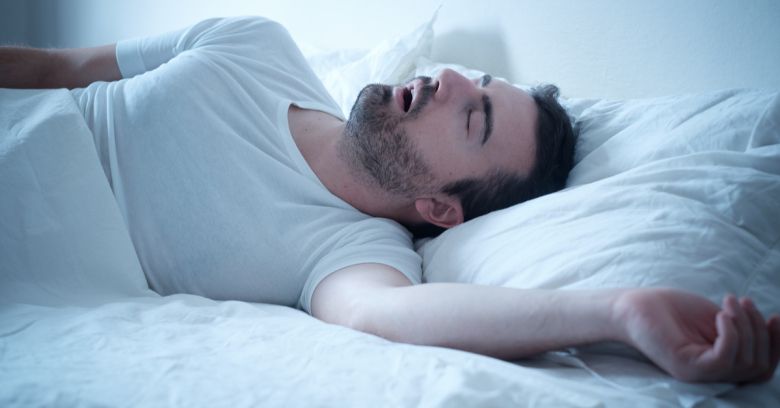
Sleep is essential for healing, brain function, and overall well-being. Yet, millions of people struggle to get restful sleep due to a condition known as sleep apnea. It is more than just loud snoring—it is a serious sleep disorder where breathing repeatedly stops and starts during the night. Many people don’t even realize they have it until a partner notices or symptoms become severe.
Understanding the causes and symptoms of sleep apnea can help you seek timely treatment and protect your long-term health. Here is a simple, human-friendly breakdown of what you need to know.
What Is Sleep Apnea?
Sleep apnea is a disorder where your breathing stops for several seconds while you sleep. These pauses can happen dozens or even hundreds of times each night. When the brain senses a lack of oxygen, it wakes you up briefly to resume breathing—often so quickly that you don’t remember it.
This cycle prevents deep, restorative sleep, leading to daytime tiredness, mood changes, and serious health problems if left untreated.
Types of Sleep Apnea
There are mainly two types:
- Obstructive Sleep Apnea (OSA)
The most common type. It occurs when throat muscles relax too much, blocking the airway.
- Central Sleep Apnea (CSA)
Occurs when the brain fails to send proper signals to the breathing muscles.
- Mixed/Complex Sleep Apnea
A combination of both OSA and CSA.
Causes of Sleep Apnea
Sleep apnea can occur due to several reasons. Some are related to lifestyle, while others are linked to physical structure or medical conditions.
- Obesity
Being overweight increases fat deposits around the neck, narrowing the airway. This is one of the biggest risk factors for sleep apnea.
- Anatomical Features
Some people naturally have:
- A thicker neck
- Enlarged tonsils
- Narrow airway
- Deviated nasal septum
- Large tongue
These features can block airflow while sleeping.
- Age and Gender
Sleep apnea is more common in:
- Men
- People over 40
- Postmenopausal women
- Family History
Genetics can play a role. If someone in your family has sleep apnea, your risk increases.
- Alcohol and Smoking
Alcohol relaxes throat muscles too much, while smoking inflames the airways—both increasing the risk.
- Medical Conditions
Certain health issues may also contribute:
- High blood pressure
- Diabetes
- Heart disorders
- Thyroid problems
- Chronic nasal congestion
- Sleeping Position
Sleeping on your back can worsen airway blockage.
Symptoms of Sleep Apnea
Many people with sleep apnea are unaware of their condition. However, certain symptoms—especially when combined—can indicate a problem.
- Loud, Persistent Snoring
One of the earliest and most noticeable signs, especially if it disturbs your partner.
- Pauses in Breathing
Often reported by someone who observes your sleep.
- Gasping or Choking During Sleep
This happens when the brain wakes you up to restart breathing.
- Excessive Daytime Sleepiness
You may feel tired even after a full night’s sleep.
- Morning Headaches
Caused by reduced oxygen levels overnight.
- Dry Mouth or Sore Throat
Mouth breathing while sleeping can lead to these symptoms.
- Difficulty Concentrating
Poor-quality sleep affects memory, focus, and productivity.
- Mood Changes
Irritability, stress, and sometimes depression can occur due to chronic sleep disruption.
- Frequent Nighttime Urination
Another common but often overlooked symptom.
- Decreased Libido
Hormonal imbalance from poor sleep can affect sexual health.
Why It’s Important to Seek Treatment
Untreated sleep apnea can lead to serious long-term complications, including:
- High blood pressure
- Heart attack
- Stroke
- Diabetes
- Liver problems
- Poor mental health
- Accidents due to daytime drowsiness
Early diagnosis and treatment can greatly improve quality of life, energy levels, and overall health.
Conclusion
Sleep apnea may sound like a simple sleep-related issue, but its impact on your daily life and long-term health can be significant. Understanding the causes and recognizing its symptoms early can help you seek proper medical support before complications arise. With timely diagnosis, lifestyle changes, and the right treatment, most people experience major improvements in their sleep and overall well-being.
For expert diagnosis, compassionate care, and advanced treatment options, you can visit:
Dr. YOGESH AGRAWAL
Snoring Treatment in Pune & PCMC | Sleep Apnea Specialist in Pune | Snoring Specialist in Pune
Address: 108-C, Khivansara Complex, Datta Mandir Road, Wakad Phata, Nr Dange Chowk, above GANESH BHEL, Pune, Maharashtra 411033
Recent Posts
-
 Shortness of Breath: 8 Possible Causes and When to Consult a Chest Physician
 -
 How Air Pollution in Pune Is Affecting Your Lung Health: Expert Prevention Tips
 -
 10 Warning Signs You Should Visit a Chest Physician Instead of Ignoring Your Cough
 -
 The 10-Second Suffocation Threshold: How the Brain Measures Oxygen Destruction Before Forcing You to Wake Up Gasping
 -
 Gravity’s Silent Chokehold: The Midnight Physics of a Collapsing Throat