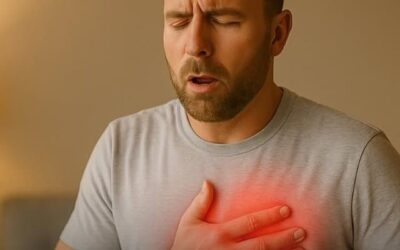
Sleep is meant to restore our body, mind, and energy levels. But for many people, sleep becomes a silent struggle—especially when conditions like sleep apnea go undiagnosed. In cities like Pune and PCMC, where stressful lifestyles and irregular sleep cycles are common, sleep apnea is becoming increasingly prevalent. What many people don’t realize is that untreated sleep apnea doesn’t just affect sleep quality; it can seriously impact heart health.
In this blog, we will explore how sleep apnea affects the heart, the warning signs you should look for, and why early diagnosis from a certified sleep specialist is essential.
What Is Sleep Apnea?
Sleep apnea is a sleep disorder in which a person repeatedly stops breathing during sleep due to airway blockage or improper signals from the brain. The most common type is Obstructive Sleep Apnea (OSA), which occurs when the airway collapses or becomes blocked.
People with sleep apnea often snore loudly, feel tired even after a full night’s sleep, or wake up gasping for air. While many treat these symptoms lightly, sleep apnea is a serious medical condition that can silently impact overall health—especially the heart.
How Sleep Apnea Damages the Heart
- Constant Drop in Oxygen Levels
When the airway collapses, oxygen flow to the brain and heart reduces. The body enters “emergency mode,” forcing the heart to pump harder.
Over time, this puts enormous stress on the cardiovascular system and increases the risk of:
- High blood pressure
- Irregular heartbeat
- Heart attacks
- Sudden Wake-Ups Increase Heart Stress
Every time breathing stops, the body wakes up briefly to reopen the airway. This can happen hundreds of times in one night.
These micro-arousals put pressure on the sympathetic nervous system, which keeps the heart in a constant state of alertness.
As a result, the heart does not get the rest it needs.
- Increased Risk of High Blood Pressure
High blood pressure (hypertension) and sleep apnea are deeply interconnected.
When oxygen drops repeatedly during the night, the body releases stress hormones that constrict blood vessels, leading to persistent hypertension.
This is why people with sleep apnea often struggle to control blood pressure even with medication.
- Higher Chances of Heart Attack and Stroke
Untreated sleep apnea increases inflammation and plaque build-up in the blood vessels. This raises the risk of:
- Heart attack
- Stroke
- Congestive heart failure
Studies show that sleep apnea patients are four times more likely to experience heart complications if the condition is ignored.
- Heartbeat Irregularities (Arrhythmias)
Sudden dips in oxygen disrupt the heart’s natural rhythm.
In severe cases, this can lead to:
- Atrial fibrillation
- Palpitations
- Sudden nocturnal cardiac arrest
Older adults and overweight individuals in Pune are especially at risk.
Common Symptoms Patients Should Watch For
If you or a loved one experiences these symptoms, it may be time to consult a sleep apnea specialist:
- Loud, chronic snoring
- Gasping or choking during sleep
- Morning headaches
- Dry mouth or sore throat
- Excessive daytime sleepiness
- Difficulty concentrating
- Mood swings or irritability
- High blood pressure not responding to treatment
Remember, not everyone who snores has sleep apnea—but almost everyone with sleep apnea snores.
Why Early Diagnosis Matters
Identifying sleep apnea early can significantly reduce heart-related risks.
Effective treatment improves oxygen levels, enhances sleep quality, and reduces strain on the heart.
Common Diagnostic Methods Include:
- Sleep Study (Polysomnography)
- Home Sleep Test
- Nasal Endoscopy
- Airway Assessment
A certified sleep specialist can help determine the severity of your condition and suggest the most suitable treatment plan.
Treatment Options That Support Heart Health
Depending on the severity, your doctor may recommend:
- Lifestyle modifications (weight control, reducing alcohol intake)
- CPAP therapy (Continuous Positive Airway Pressure)
- Oral appliances for airway support
- Surgical correction for structural airway blockages
- Laser and radiofrequency treatments
When sleep apnea is treated effectively, blood pressure improves, snoring reduces, and heart stress begins to decrease.
Sleep Apnea Is Treatable—Don’t Ignore the Signs
The connection between sleep apnea and heart health is strong, but the good news is that timely treatment can make a huge difference.
If you’re in Pune or PCMC and have been experiencing symptoms like loud snoring, fatigue, or disturbed sleep, consulting a sleep apnea specialist can protect your heart and improve your overall well-being.
Conclusion
Sleep apnea is more than just a sleep disorder—it is a condition that can silently strain your heart every single night. Early diagnosis and the right treatment can significantly reduce the risk of hypertension, arrhythmias, heart attack, and stroke.
For expert assessment and advanced treatment in Pune, you can consult:
Dr. YOGESH AGRAWAL
Snoring Treatment in Pune & PCMC | Sleep Apnea Specialist in Pune | Snoring Specialist in Pune
Address: 108-C, Khivansara Complex, Datta Mandir Road, Wakad Phata, Nr. Dange Chowk, above Ganesh Bhel, Pune, Maharashtra 411033
Recent Posts
-
 Shortness of Breath: 8 Possible Causes and When to Consult a Chest Physician
 -
 How Air Pollution in Pune Is Affecting Your Lung Health: Expert Prevention Tips
 -
 10 Warning Signs You Should Visit a Chest Physician Instead of Ignoring Your Cough
 -
 The 10-Second Suffocation Threshold: How the Brain Measures Oxygen Destruction Before Forcing You to Wake Up Gasping
 -
 Gravity’s Silent Chokehold: The Midnight Physics of a Collapsing Throat