Treatment Options for Sleep Apnea: From CPAP to Oral Appliances
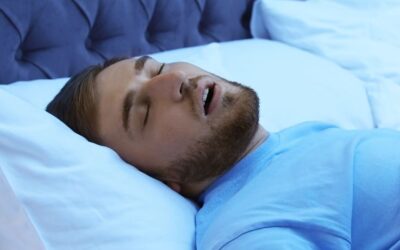
Sleep apnea is more than just loud snoring—it is a serious sleep disorder that affects breathing during the night. Many people ignore the symptoms for years, assuming constant fatigue or disturbed sleep is normal. The good news is that sleep apnea is treatable. With the right diagnosis and therapy, patients can experience better sleep, improved energy, and reduced health risks.
In this blog, we will explore the most effective treatment options for sleep apnea, from CPAP therapy to oral appliances and lifestyle changes, so you can understand which solution may be right for you.
Why Treating Sleep Apnea Is Important
When breathing repeatedly stops during sleep, oxygen levels in the body drop. Over time, untreated sleep apnea can increase the risk of:
- High blood pressure
- Heart disease
- Stroke
- Diabetes
- Memory problems
- Daytime fatigue and accidents
Treatment not only improves sleep quality but also protects long-term health.
- CPAP Therapy – The Gold Standard
Continuous Positive Airway Pressure (CPAP) therapy is considered the most effective treatment for moderate to severe obstructive sleep apnea.
How CPAP Works
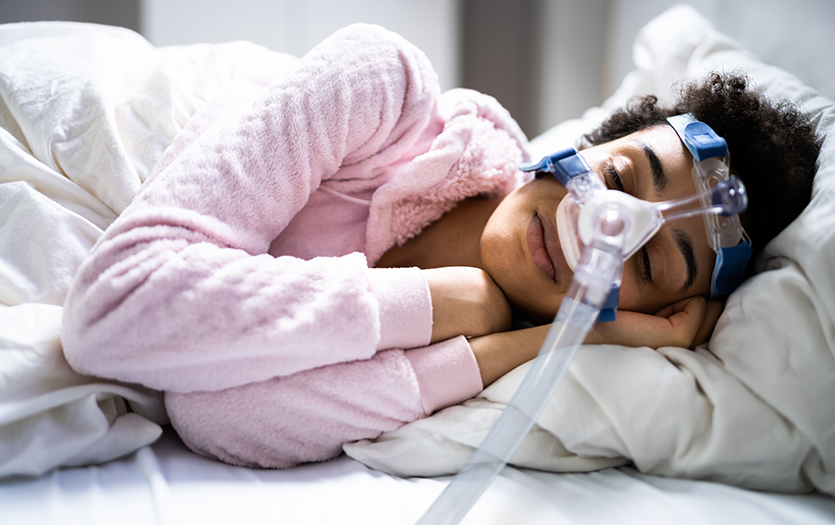
A CPAP machine delivers a steady stream of air through a mask worn over the nose or mouth during sleep. This gentle air pressure keeps the airway open, preventing breathing pauses.
Benefits of CPAP:
- Highly effective in reducing apnea episodes
- Improves oxygen levels
- Reduces snoring
- Enhances daytime alertness
- Lowers risk of heart-related complications
Common Concerns
Some people worry about discomfort or mask fit. However, modern CPAP machines are quieter, more compact, and offer various mask styles for better comfort. With proper guidance and adjustment, most patients adapt successfully.
- Oral Appliance Therapy – A Comfortable Alternative
For patients with mild to moderate sleep apnea, or those who struggle with CPAP, oral appliances can be an excellent option.
What Is an Oral Appliance?
It is a custom-made dental device worn during sleep. It gently repositions the lower jaw and tongue forward to keep the airway open.
Advantages:
- Small and portable
- Easy to use
- No noise
- Comfortable for travel
These devices are especially helpful for patients who primarily snore or experience mild airway obstruction.
However, it is important that the appliance is professionally fitted. Over-the-counter devices may not provide proper results and could cause jaw discomfort.
- Lifestyle Changes – The First Step
In many cases, lifestyle modifications can significantly improve sleep apnea symptoms, particularly in mild cases.
Recommended Changes:
- Weight loss
- Regular exercise
- Avoiding alcohol before bedtime
- Quitting smoking
- Sleeping on your side instead of your back
Even a small reduction in weight can reduce airway obstruction and improve breathing during sleep.
Lifestyle improvements are often combined with other treatments for better results.
- Positional Therapy
Some individuals experience sleep apnea mainly when lying on their back. Positional therapy encourages side sleeping to prevent airway collapse.
Special pillows or wearable devices can help maintain a side-sleeping position throughout the night.
- Surgical Options
Surgery may be recommended when other treatments are ineffective or when there is a clear anatomical obstruction, such as enlarged tonsils or nasal blockage.
Types of Surgery:
- Removal of excess throat tissue
- Tonsillectomy
- Nasal surgery
- Jaw repositioning surgery
Surgical treatment is typically considered after careful evaluation and when non-invasive options have not provided sufficient relief.
- Combination Therapy
In some cases, a combination of treatments works best. For example, a patient may use CPAP along with weight management or combine an oral appliance with positional therapy.
Every patient is different. The right treatment depends on the severity of sleep apnea, medical history, lifestyle, and personal comfort.
How to Choose the Right Treatment
The first step is an accurate diagnosis through a sleep study. Once the severity and type of sleep apnea are identified, a sleep specialist can recommend a tailored treatment plan.
Factors that influence treatment choice include:
- Severity of apnea (mild, moderate, severe)
- Patient comfort
- Underlying health conditions
- Personal lifestyle needs
Open communication with your doctor ensures better results and long-term success.
Living Better with the Right Treatment
Many patients report life-changing improvements once they begin treatment. They experience:
- Better sleep quality
- Increased daytime energy
- Improved mood
- Reduced blood pressure
- Better concentration
Treating sleep apnea is not just about stopping snoring—it is about restoring your overall health and well-being.
Conclusion
Sleep apnea is a manageable condition when treated properly. From CPAP therapy to oral appliances and lifestyle adjustments, several effective options are available. The key is early diagnosis and personalized care.
If you or your loved ones are struggling with loud snoring, breathing pauses, or persistent fatigue, seeking expert guidance can make all the difference.
For specialized consultation and comprehensive sleep apnea treatment, you can visit:
Dr. YOGESH AGRAWAL
108-C, Khivansara Complex, Datta Mandir Road Wakad Phata, Nr Dange Chowk, above GANESH BHEL, Pune, Maharashtra 411033
Taking action today can help you sleep peacefully and live healthier tomorrow.
Recent Posts
-
 Shortness of Breath: 8 Possible Causes and When to Consult a Chest Physician
 -
 How Air Pollution in Pune Is Affecting Your Lung Health: Expert Prevention Tips
 -
 10 Warning Signs You Should Visit a Chest Physician Instead of Ignoring Your Cough
 -
 The 10-Second Suffocation Threshold: How the Brain Measures Oxygen Destruction Before Forcing You to Wake Up Gasping
 -
 Gravity’s Silent Chokehold: The Midnight Physics of a Collapsing Throat